Ages 8–10 · Independent Readers
Best Books for Ages 8–10: Parent-Vetted Chapter Books & Early Middle Grade
Hand-picked chapter books and early middle-grade titles for ages 8–10 — every book comes with a spice level (0–5), a quick parent checklist (age fit, content warnings, themes), and plain-English notes on why it works at this age. Perfect for confident second, third, and fourth graders ready to read on their own.
87 parent-vetted picks
As an Amazon Associate I earn from qualifying purchases. Learn more
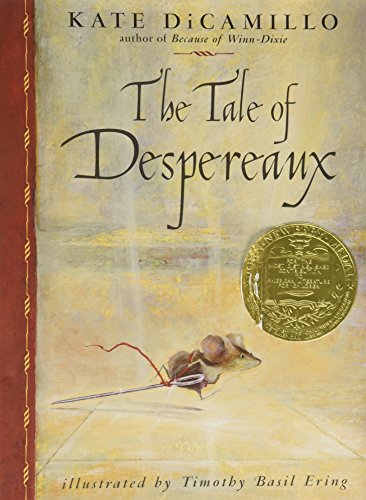
- Spice: None
- Age fit: Perfect fit
- Warnings: None
- Representation: None
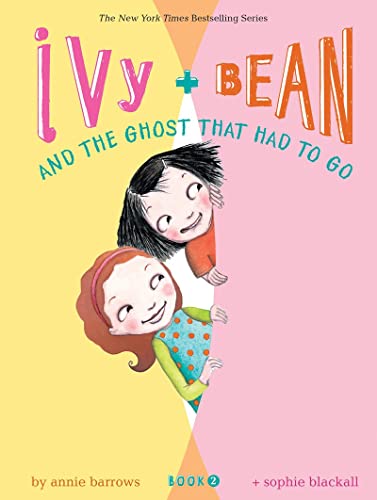
- Spice: None
- Age fit: Perfect fit
- Warnings: None
- Representation: None

- Spice: None
- Age fit: Perfect fit
- Warnings: None
- Representation: None

- Spice: None
- Age fit: Perfect fit
- Warnings: None
- Representation: None
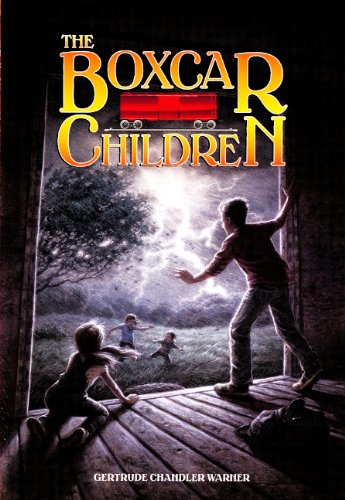
- Spice: None
- Age fit: Perfect fit
- Warnings: None
- Representation: None
- Spice: None
- Age fit: Perfect fit
- Warnings: None
- Representation: None
- Spice: None
- Age fit: Perfect fit
- Warnings: None
- Representation: None

- Spice: None
- Age fit: Perfect fit
- Warnings: None
- Representation: None
- Spice: None
- Age fit: Perfect fit
- Warnings: None
- Representation: None
- Spice: None
- Age fit: Perfect fit
- Warnings: None
- Representation: None

- Spice: None
- Age fit: Perfect fit
- Warnings: None
- Representation: None

- Spice: None
- Age fit: Perfect fit
- Warnings: None
- Representation: None
- Spice: None
- Age fit: Perfect fit
- Warnings: None
- Representation: None

- Spice: None
- Age fit: Perfect fit
- Warnings: None
- Representation: None
- Spice: None
- Age fit: Perfect fit
- Warnings: None
- Representation: None
- Spice: None
- Age fit: Perfect fit
- Warnings: None
- Representation: None
- Spice: None
- Age fit: Perfect fit
- Warnings: None
- Representation: None
- Spice: None
- Age fit: Perfect fit
- Warnings: None
- Representation: None
- Spice: None
- Age fit: Perfect fit
- Warnings: None
- Representation: None

- Spice: None
- Age fit: Perfect fit
- Warnings: None
- Representation: None

- Spice: None
- Age fit: Perfect fit
- Warnings: None
- Representation: None
- Spice: None
- Age fit: Perfect fit
- Warnings: None
- Representation: None

- Spice: None
- Age fit: Perfect fit
- Warnings: None
- Representation: None

- Spice: None
- Age fit: Perfect fit
- Warnings: None
- Representation: None

- Spice: None
- Age fit: Perfect fit
- Warnings: None
- Representation: None

- Spice: None
- Age fit: Best 9–12
- Warnings: None
- Representation: None

- Spice: None
- Age fit: Best 9–12
- Warnings: None
- Representation: None

- Spice: None
- Age fit: Best 10–14
- Warnings: None
- Representation: None

- Spice: None
- Age fit: Best 10–14
- Warnings: None
- Representation: None

- Spice: None
- Age fit: Best 10–14
- Warnings: None
- Representation: None

- Spice: None
- Age fit: Best 9–13
- Warnings: None
- Representation: None

- Spice: None
- Age fit: Best 10–13
- Warnings: None
- Representation: None

- Spice: None
- Age fit: Best 9–12
- Warnings: None
- Representation: None

- Spice: None
- Age fit: Best 10–13
- Warnings: None
- Representation: None

- Spice: None
- Age fit: Best 9–12
- Warnings: None
- Representation: None

- Spice: None
- Age fit: Best 9–12
- Warnings: None
- Representation: None
- Spice: None
- Age fit: Best 9–12
- Warnings: None
- Representation: None

- Spice: None
- Age fit: Best 9–12
- Warnings: None
- Representation: None

- Spice: None
- Age fit: Best 10–14
- Warnings: None
- Representation: None

- Spice: None
- Age fit: Best 9–12
- Warnings: None
- Representation: None

- Spice: None
- Age fit: Perfect fit
- Warnings: None
- Representation: None

- Spice: None
- Age fit: Best 9–12
- Warnings: None
- Representation: None
- Spice: None
- Age fit: Best 9–13
- Warnings: None
- Representation: None
- Spice: None
- Age fit: Best 9–12
- Warnings: None
- Representation: None

- Spice: None
- Age fit: Best 9–13
- Warnings: None
- Representation: None

- Spice: None
- Age fit: Best 9–12
- Warnings: None
- Representation: None

- Spice: None
- Age fit: Best 10–13
- Warnings: None
- Representation: None

- Spice: None
- Age fit: Best 9–12
- Warnings: None
- Representation: None
Top picks parents buy
Hand-picked books that fit this guide. Prices and availability are shown on Amazon.
7 min read · Updated October 9, 2026
The short answer
The best books for ages 8–10 bridge the gap between simple early readers and complex middle-grade novels. This age group thrives on series like Zoey and Sassafras for beginners, mystery adventures like The Three Investigators for critical thinking, and immersive fantasy worlds like Fablehaven for confident readers seeking epic storytelling.
Key takeaways
- Focus on series to help kids build a relationship with recurring characters and familiar writing styles.
- Balance heavy text with graphic-hybrid novels like Lucky Scramble to prevent reader fatigue.
- Introduce non-fiction through narrative styles like Lincoln: A Photobiography to build background knowledge.
- Use humor and slapstick comedy to engage reluctant readers who may find traditional prose intimidating.
- Monitor 'spice levels' in fantasy, as themes can jump quickly from whimsical to dark in the 9-12 age bracket.
Starting Strong: Early Chapter Books for 8-Year-Olds
For the younger end of this spectrum, typically 2nd and early 3rd graders, the goal is building stamina. Books like Zoey and Sassafras: Dragons and Marshmallows are gold standard picks. These books use a larger font and include illustrations on almost every page, but the story follows a sophisticated structure. By introducing concepts like the scientific method through a girl who treats magical animals, the book respects the child's intelligence while keeping the physical reading task manageable.
Another excellent entry point is Ember's End by S.D. Smith. This serves as a wonderful introduction to animal adventure stories. It provides a sense of high stakes and heroism that kids crave, but the language remains accessible. When kids feel they can finish a book in a few sittings, their confidence skyrockets. This is the age where we want to avoid 'the slump,' where a child gets bored with easy books but feels overwhelmed by 'thick' ones. Series are your best friend here because the familiarity of the world reduces the cognitive load for the next book.
The Power of Humor in Literacy
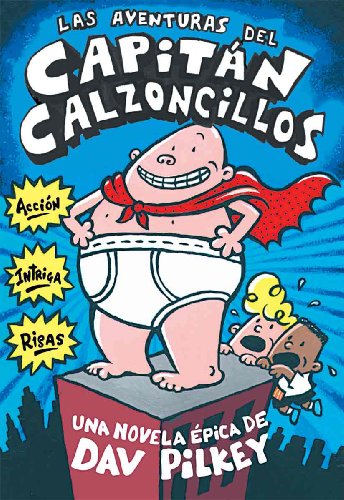
Humor is a secret weapon for 8-year-olds. The Oxford Reading Tree TreeTops Chucklers series, specifically titles like Absolutely Awful Adults, uses wit to keep kids turning pages. When a child laughs, they are more likely to forgive a difficult word or a long paragraph. This is also why Dav Pilkey's work remains a staple in every 3rd-grade classroom; it turns reading into a reward rather than a chore.
Mystery and Logic: Developing Critical Thinking Skills
By age 9, many kids are ready to play detective. The Three Investigators in the Secret of Terror Castle is a classic choice for this age group. Unlike some modern mysteries that rely on gadgets, this series focuses on observation and logic. It encourages readers to look for clues alongside the characters, which is a fantastic way to build active reading habits. At roughly 160 pages, these books fit perfectly into a week of independent reading time without being intimidating.
Lemony Snicket also offers a unique flavor of mystery for the 9-10 age range. Who Could That Be at This Hour? from the All the Wrong Questions series is a masterpiece of noir-style writing for kids. It introduces sophisticated irony and a slightly darker tone that feels 'grown-up' to a 4th grader. Parents should note that Snicket’s writing often includes definitions of large words within the narrative, which serves as a built-in vocabulary lesson that kids actually enjoy. It is a 'safe' way to explore slightly more cynical or complex worlds.
Epic Worlds: Fantasy and Adventure for the 4th Grade Reader landscapes
As children reach age 10, their imaginations are ready for expansive world-building. Fablehaven by Brandon Mull is often the book that turns a casual reader into a lifelong fan. The concept of a secret refuge for mythical creatures is immediately gripping. For parents, Fablehaven is a 'safe' verdict because while it has tension and scary moments, it maintains a moral compass and lacks the mature content found in modern YA. It is the perfect precursor to longer series like Harry Potter or Percy Jackson.
If your reader is looking for something truly unique, Impossible Creatures by Katherine Rundell is a newer classic that has taken the literary world by storm. It features a hidden archipelago of mythical beasts and a high-stakes quest. The prose is beautiful and slightly more elevated, making it a great choice for advanced 9-year-olds or 10-year-olds who want a story that feels substantial. Similarly, The Book of Three by Lloyd Alexander offers a classic high-fantasy feel inspired by Welsh mythology, introducing kids to the 'hero’s journey' in a manageable 200-page format.
Fairy Tale Retellings and Modern Magic
The Land of Stories: The Wishing Spell is a phenomenal pick for kids who grew up on Disney or Grimm’s fairy tales. It takes familiar characters and puts them in a modern adventure context. Because the readers already know who Cinderella and Red Riding Hood are, they can focus their mental energy on the new plot twists and the brother-sister dynamic of the protagonists. This series is often a 'gateway' book that leads kids into the broader world of middle-grade fantasy.
Real Worlds: Non-Fiction and Historical Narrative
Not every 8-to-10-year-old wants to read about dragons. Some are hungry for real stories about real people. Lincoln: A Photobiography by Russell Freedman is a Newbery Medal winner that proves non-fiction can be just as compelling as a novel. It uses clear, narrative prose and authentic photographs to bring history to life. For a 4th grader, this book provides a sense of gravity and importance that helps them see reading as a way to understand the world around them.
For sports fans, The Boys in the Boat (Young Readers Adaptation) is an essential pick. It adapts the incredible true story of the 1936 Olympic rowing team for a younger audience, focusing on perseverance and teamwork. The vocabulary is accessible for a 10-year-old, but the emotional weight of the story is preserved. This is a great way to introduce the concept of 'biography' without it feeling like a dry school assignment. It shows kids that real-life triumphs can be just as exciting as fictional quests.
Managing Sensitive Content: The 'Verdict Caution' Titles
As we move toward the upper end of the 8-10 range, some books require a bit more parent oversight. The Bad Beginning (A Series of Unfortunate Events) is a prime example. While it is a beloved series, the 'verdict caution' stems from its dark themes—orphaned children, a villainous guardian, and a recurring sense of hopelessness. For a sensitive 8-year-old, this can be distressing. However, for a 10-year-old with a dry sense of humor, it is often their favorite book because it doesn't talk down to them.
Another book to approach with awareness is Island of Silence, the second book in The Unwanteds series. This series is often described as 'Hunger Games for middle grade.' It involves a society that discards those who are creative. While it is safe for most 10-year-olds, the themes of rebellion and societal control are heavier than a typical chapter book. We recommend these for kids who have already handled books like Narnia and are looking for something with a bit more 'edge' and modern pacing. Always check the 'spice level' if your child is particularly sensitive to peril.
Reading gear parents love
Bigger helpers that make reading easier and more fun. Prices change — check today's price on Amazon.
Amazon Kindle Kids
$110-$140 · Ages 8–10 who are ready to read chapter books independently
A dedicated e-reader keeps the focus on books rather than games or videos. Adjustable text size helps children find a comfortable layout for longer chapters.
See it on AmazonAmazon Fire HD 10 Kids Pro
$150-$200 · Ages 8–10 who use ebooks, audiobooks, and learning apps
The larger color screen works well for illustrated chapter books and nonfiction. Parent controls help families manage apps and reading time, though book content still needs a parent check.
See it on AmazonYoto Player (3rd Generation)
$100-$130 · Ages 8–10 who enjoy listening to stories or following along in print
Screen-free audiobook listening gives children another way into longer stories. Choose age-appropriate chapter-book cards separately, and pair with a print copy for read-along time.
See it on AmazonKidKraft Sling Bookshelf
$50-$90 · Ages 8–10 who benefit from a visible selection of parent-approved books
Front-facing storage makes a small rotation of chapter books easy to browse. It gives your child an inviting place to choose their next independent read.
See it on Amazon
Ready to buy?
Grab these picks on Amazon — we may earn a small commission at no extra cost to you.
Get our monthly book picks
One email a month with the best clean books for your kids' ages. No spam — unsubscribe anytime.
Frequently asked
What is the average reading level for a 9-year-old?+
While every child is different, ages 8 to 10 is the standard range where kids transition from learning to read to reading to learn.
How long should a chapter book be for a 3rd grader?+
Look for books with 100 to 250 pages, slightly larger text, and occasional illustrations to help maintain focus.
What are the best books for boys who hate reading?+
The Adventures of Captain Underpants and the Oxford Reading Tree Chucklers series are excellent choices that use humor and visuals to engage readers.
Is A Series of Unfortunate Events appropriate for an 8-year-old?+
Wait until age 10 for most children, as the themes of poverty, neglect, and dark humor can be upsetting for younger 8-year-olds.
What is a good first chapter book for a 2nd grader?+
Zoey and Sassafras is the perfect entry point because it combines magical creatures with real scientific methods.
What are the best fantasy series for 4th graders?+
Fablehaven and The Land of Stories are top-tier choices that offer high-stakes adventure without explicit content.
Should I still read aloud to my 10-year-old?+
Yes, many kids at this age still benefit from hearing more complex language and shared storytelling before bed.
Books to explore next
Hand-picked reads that fit this topic — tap through for the full parent review.

Sarah, Plain and Tall
by Patricia MacLachlan
Read the parent review →
Megabat
by Anna Humphrey
Read the parent review →

Flora and Ulysses
by Kate DiCamillo
Read the parent review →

The Watsons Go to Birmingham - 1963
by Christopher Paul Curtis
Read the parent review →
Secret Kingdom: 28: Melody Medal
by Rosie Banks
Read the parent review →
Frogged
by Vivian Vande Velde
Read the parent review →
Keep exploring
If They Loved · Narnia
15 Best Books Like Narnia for Kids (Parent-Approved 2026)
Classics · All Ages
30 Classic Children's Books Every Child Should Read (2026)
5th Grade · Age 10
30 Best Books for 5th Graders (Parent-Approved 2026)
3rd Grade · Age 8
30 Best Books for 3rd Graders (Parent-Approved 2026)
Reluctant readers
Books for Reluctant Readers
4th Grade · Age 9
30 Best Books for 4th Graders (Parent-Approved 2026)
Get new picks like these in your inbox
One short email a week — new reading lists, parent-vetted picks, and free guides.
Social Dynamics and School Stories
Middle grade is the era of the 'school story,' where the drama of the classroom takes center stage. The Landry News by Andrew Clements is a perfect example of this. It explores themes of free speech and the power of the press through the eyes of a 5th grader starting a classroom newspaper. It’s relatable, grounded in reality, and helps kids process the social hierarchies they are beginning to notice in their own schools. Andrew Clements is a master of this genre, and his books are consistently safe for the 8-12 age range.
For kids who prefer a visual component to their school drama, Lucky Scramble by Peter Raymundo offers a fantastic blend of graphic novel elements and traditional prose. It deals with the stresses of competition and family life in a way that feels very current. Graphic-hybrid books like this are instrumental for kids who might feel 'burnt out' by long stretches of text. They provide a visual break that helps maintain the pace of the story, making them a favorite for both reluctant and avid readers alike.