Reluctant readers
Books for Reluctant Readers
Short chapters, big hooks, and humor that pulls kids in. These are the books that turn "I hate reading" into "just one more chapter."
25 parent-vetted picks
As an Amazon Associate I earn from qualifying purchases. Learn more


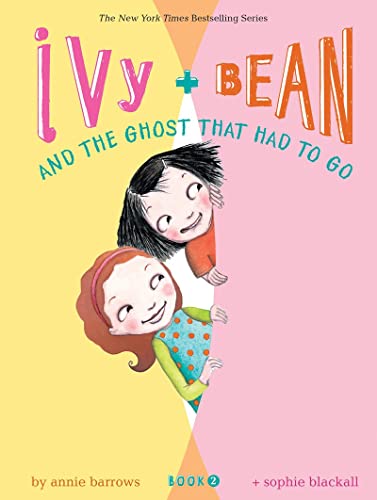

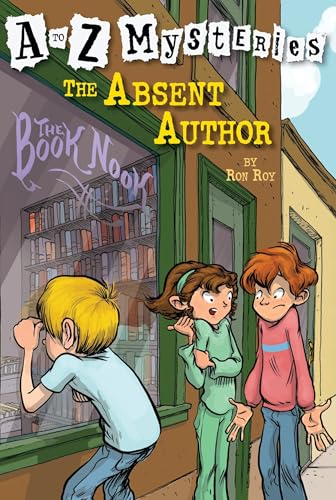
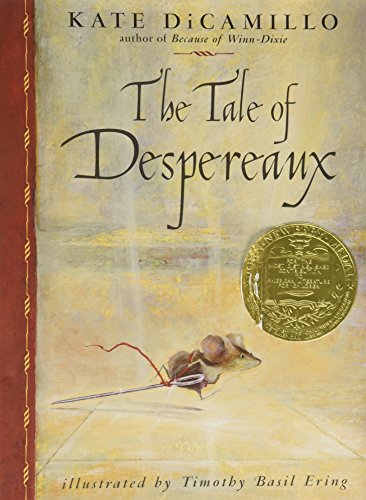


Top picks parents buy
Hand-picked books that fit this guide. Prices and availability are shown on Amazon.
7 min read · Updated October 9, 2026
The short answer
Books for reluctant readers engage children through fast-paced plots, visual support, and relatable humor. Successful titles like 'Elephant & Piggie' for early readers, 'I Survived' for elementary students, and graphic novels like 'Ms. Marvel' for teens remove barriers to entry, building reading stamina by focusing on high-interest themes rather than complex vocabulary.
Key takeaways
- Prioritize high-interest topics like sports, humor, or survival to build initial engagement.
- Utilize graphic novels and highly illustrated chapter books to bridge the gap to full novels.
- Offer non-fiction alternatives for children who are bored by traditional fiction tropes.
- Look for series with short, fast-paced chapters that provide frequent 'wins' for the reader.
- Avoid forcing 'classics' too early if they feel dense; focus on enjoyment first to build stamina.
Understanding the Reluctant Reader's Journey
Reluctance to read is rarely about a lack of intelligence; it is often a matter of engagement. For many children, the act of decoding words feels like a chore that yields very little immediate reward. When a book feels like a wall of text, a child’s brain may switch off before they even reach the end of the first page. To break this cycle, we have to look for books that offer a high 'interest-to-effort' ratio. This means the story moves quickly enough to keep them curious, while the layout provides enough white space to keep them from feeling overwhelmed.
The key is to meet the child where they are rather than where we think they should be. If a ten-year-old still enjoys the humor of Elephant & Piggie by Mo Willems, let them read it. Those early successes build the confidence necessary to tackle harder texts later. Forcing a child into dense classics before they have developed reading stamina is a surefire way to cement their dislike for the hobby. Instead, we look for 'bridge books'—titles that look like real novels but use clever formatting and exciting plots to pull the reader in effortlessly.
The Power of Visual Literacy
Visuals act as a scaffolding for the reader's imagination. In books like Zoey and Sassafras: Dragons and Marshmallows, the illustrations aren't just decorative; they help clarify the scientific concepts and the emotions of the characters. For older kids, graphic novels like Ms. Marvel, Vol. 1: No Normal use cinematic pacing to tell complex stories that feel as exciting as a summer blockbuster. By decoding images and text simultaneously, reluctant readers develop sophisticated literacy skills without the fatigue often associated with text-heavy pages.
Hooking Younger Readers (Ages 5-8) with Humor and Success
For the youngest readers, the goal is to make reading feel like a game rather than a lesson. Early readers like Henry and Mudge: The First Book are perfect because they use predictable sentence structures and warm, inviting stories. When a child finishes a book in one sitting, they feel a sense of mastery. This dopamine hit is essential for building a long-term reading habit. We want them to associate books with comfort and success, not frustration and correction.
Humor is another powerful tool for this age group. There is a reason Mo Willems is a household name; his books like Elephant & Piggie: There Is a Bird on Your Head! rely on comedic timing and expressive dialogue. Kids want to read these books aloud, often mimicking the funny voices of the characters. This verbal engagement is a secret weapon in literacy development. It transforms reading from a solitary, silent task into an interactive performance that the whole family can enjoy together.
Transitioning to First Chapter Books
As kids move toward second and third grade, the Zoey and Sassafras series serves as an ideal stepping stone. These books combine magical creatures with real-world science, keeping the plot moving at a brisk pace. The chapters are short, which allows parents to say, 'Just read one more chapter before bed,' a request that feels achievable to a child who might otherwise balk at a longer reading session. Finding these 'sweet spot' books is the most effective way to prevent the mid-elementary reading slump.
Middle Grade Action and High-Stakes Mystery (Ages 9-12)
Once a child reaches the middle grades, the social pressure to read more 'mature' books increases, but their stamina might not be there yet. This is where high-action series like I Survived the Sinking of the Titanic, 1912 become invaluable. These books are thin, usually under 150 pages, but they pack an emotional punch. They place the reader directly into a historical crisis, making the stakes feel immediate and personal. For a boy or girl who prefers video games or movies, the pacing of these survival stories feels familiar and exciting.
Mystery is another genre that naturally appeals to the inquisitive nature of 9 to 12-year-olds. The Three Investigators in the Secret of Terror Castle offers a classic whodunit feel with a secret headquarters and gadgets that appeal to a child's sense of adventure. Similarly, Lemony Snicket’s Who Could That Be at This Hour? uses a quirky, noir-inspired tone and short, punchy sentences to keep the reader guessing. These books treat the reader like a detective, turning the act of reading into a puzzle that needs to be solved.
Navigating Complex Themes Gently
Books like Front Desk by Kelly Yang or Blubber by Judy Blume handle real-world issues like poverty and bullying. While these are 'verdict caution' books due to their honest portrayal of difficult social dynamics, they are often exactly what a reluctant reader needs to stay engaged. When a child sees their own struggles or the reality of the world reflected on the page, the book stops being an assignment and becomes a lifeline. It is important to discuss these books together to help them process the heavier themes.
Non-Fiction: The Secret Weapon for Fact-Finders
We often forget that reading doesn't have to mean fiction. Many reluctant readers are 'systemizers' who love facts, statistics, and real-world mechanics. For these kids, a book like Lincoln: A Photobiography by Russell Freedman is far more engaging than a fantasy novel. The use of real photographs and primary sources makes the history feel tangible. It allows them to dip in and out of the book, reading captions and sidebars without the pressure of following a linear narrative arc from start to finish.
Sports-minded kids often find their way into reading through biographies or narrative non-fiction. The Boys in the Boat (Young Readers Adaptation) is a stellar example of how a true story of perseverance and teamwork can be just as gripping as any thriller. By focusing on the technical aspects of rowing and the historical backdrop of the Olympics, the book captures the attention of readers who might find traditional fiction 'pointless.' Always consider the child's outside hobbies when selecting their next book.
Engaging Teens with Genre Fiction and Graphic Novels (Ages 13+) sprays
By the time a reluctant reader reaches high school, the gap between their reading level and the required school curriculum can feel like a canyon. To bridge this, we look for high-interest genre fiction. The Lunar Chronicles: Scarlet by Marissa Meyer takes a familiar fairy tale and teleports it into a gritty, sci-fi future. It has the romance and action of a YA blockbuster, which helps teenagers push through the longer page counts. When the world-building is this immersive, the effort of reading starts to disappear.
Graphic novels continue to be a powerhouse for the teen demographic. Ms. Marvel, Vol. 1: No Normal provides a modern, relatable protagonist dealing with family expectations and superhero powers. The vibrant art and snappy dialogue make it accessible for students who are exhausted by their textbook assignments. For those who prefer a more cynical or witty voice, The Amulet of Samarkand from the Bartimaeus Sequence features a sarcastic djinni narrator who uses footnotes to crack jokes. This meta-commentary keeps the reader engaged and alert.
Memoirs and Real-Life Struggles
Sometimes, the best way to hook a teen is through the raw honesty of a memoir. Red Scarf Girl by Ji-li Jiang or A Girl from Yamhill by Beverly Cleary offer windows into different eras and cultures through a personal lens. Teens who are searching for their own identity often find solace in the true stories of others who survived difficult times. These books can be more challenging, but the 'truth' of the narrative provides a compelling reason for the reader to keep turning pages.
Proven Strategies to Support a Reluctant Reader at Home
Creating a low-pressure reading environment is the most important step a parent can take. This might mean setting aside twenty minutes for 'family reading time' where everyone, including parents, reads their own book for pleasure. If a child sees you enjoying a book, they are more likely to view it as a leisure activity rather than a chore. Avoid the temptation to quiz them on every chapter. Instead, ask open-ended questions like, 'What was the weirdest thing that happened today?' to keep the conversation light and focused on the story.
Don't be afraid to use technology to your advantage. Audiobooks are a fantastic way to build a child’s vocabulary and love for storytelling while they are doing other things, like drawing or playing with Legos. Listening to a book like The Amulet of Samarkand can help a child get over the 'hump' of a complex plot, making them more likely to pick up the physical book for the sequel. The goal is literacy in all its forms, and the ear is just as valid a pathway to the brain as the eye.
Reading gear parents love
Bigger helpers that make reading easier and more fun. Prices change — check today's price on Amazon.
Kindle Kids
$110-$150 · Ages 6-12 who enjoy choosing their own chapter books
Adjustable text size can make pages feel less crowded. A dedicated reading device keeps games and videos out of the way.
See it on AmazonAmazon Fire HD 10 Kids Pro
$140-$200 · Ages 6-12 drawn to comics and illustrated stories
The large color screen suits graphic novels and funny, picture-heavy books. It also supports audiobooks for listening alongside a story.
See it on AmazonYoto Player
$100-$130 · Elementary-age kids who love stories but find independent reading tiring
Screen-free audiobooks let kids enjoy stories without having to decode every word. Pair a story card with the matching book for optional read-along time; cards usually cost extra.
See it on AmazonDelta Children MySize Bookshelf
$45-$80 · Younger elementary readers who choose books by their covers
Front-facing storage puts funny covers and illustrated favorites in view. Keep a small, rotating selection within reach so choosing a book feels easy.
See it on Amazon
Ready to buy?
Grab these picks on Amazon — we may earn a small commission at no extra cost to you.
Get our monthly book picks
One email a month with the best clean books for your kids' ages. No spam — unsubscribe anytime.
Frequently asked
Why does my child hate reading?+
Reluctance often stems from a mismatch between reading level and interest, or a lack of visual engagement in standard text.
Are graphic novels considered real reading?+
Absolutely, graphic novels like Ms. Marvel count as real reading because they require decoding both text and visual context clues.
What should I look for in a book for a struggling reader?+
Look for books with short chapters, wide margins, and frequent illustrations to prevent a child from feeling overwhelmed.
Do audiobooks help reluctant readers?+
Audiobooks allow kids to enjoy complex stories like The Bartimaeus Sequence while building their vocabulary and listening comprehension.
What is the best book series for a child who hates reading?+
Start with the I Survived series or Elephant & Piggie, which offer high-stakes action or humor in a simplified format.
Can non-fiction work for reluctant readers?+
Non-fiction books like Lincoln: A Photobiography are excellent for kids who prefer facts and real-world photos over made-up stories.
Books to explore next
Hand-picked reads that fit this topic — tap through for the full parent review.
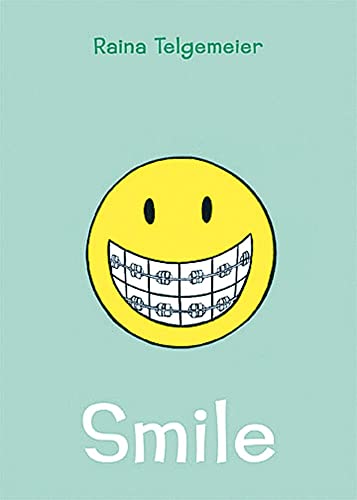
Smile
by Raina Telgemeier
Read the parent review →

Sarah, Plain and Tall
by Patricia MacLachlan
Read the parent review →
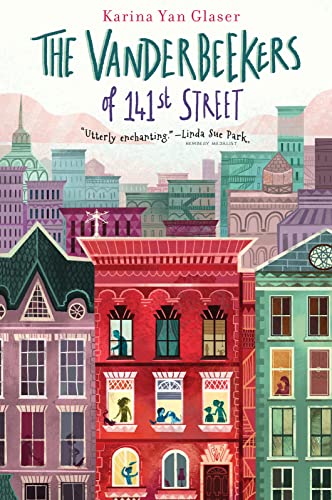
The Vanderbeekers of 141st Street
by Karina Yan Glaser
Read the parent review →
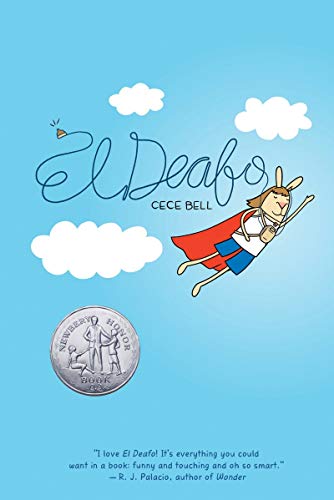
El Deafo
by Cece Bell
Read the parent review →
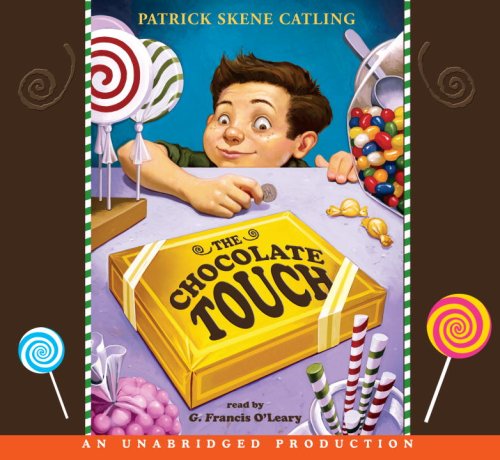
The Chocolate Touch
by Patrick Skene Catling
Read the parent review →

Dog Man
by Dav Pilkey
Read the parent review →
Keep exploring
Clean picks
Books Without Profanity
4th Grade · Age 9
30 Best Books for 4th Graders (Parent-Approved 2026)
Newbery Winners · Ages 8–12
20 Best Newbery Award Books for Kids (Parent-Approved 2026)
Homeschool
Books for Homeschool
Age 10 · Girls
Best Books for 10 Year Old Girls
Visual Storytelling for Young Readers
15 Best Graphic Novels for Kids: Engaging Books for Ages 6-10
Get new picks like these in your inbox
One short email a week — new reading lists, parent-vetted picks, and free guides.