Homeschool
Books for Homeschool
Read-aloud favorites, literature-based curriculum picks, and independent-reading classics — organized for homeschool families.
180 parent-vetted picks
As an Amazon Associate I earn from qualifying purchases. Learn more


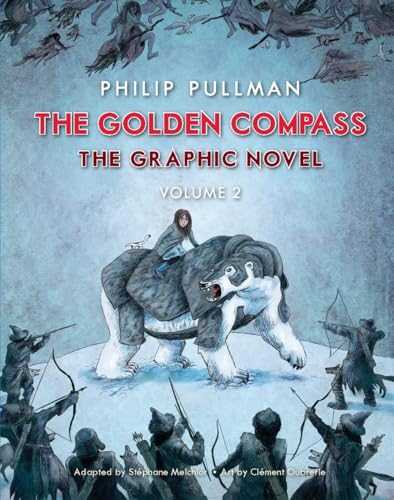

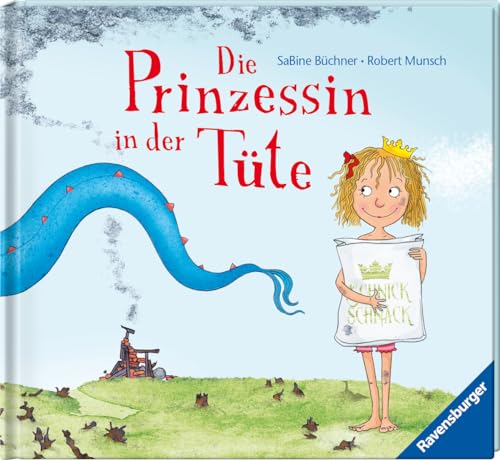
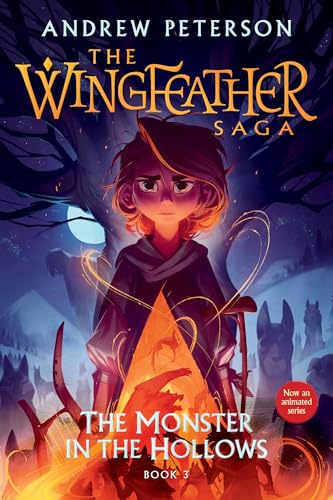
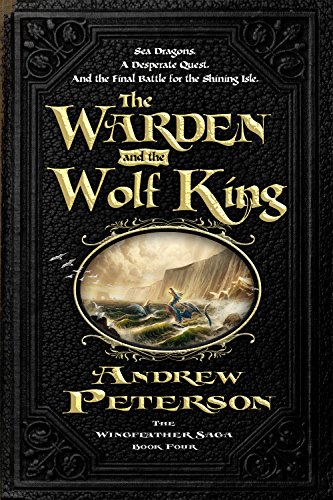





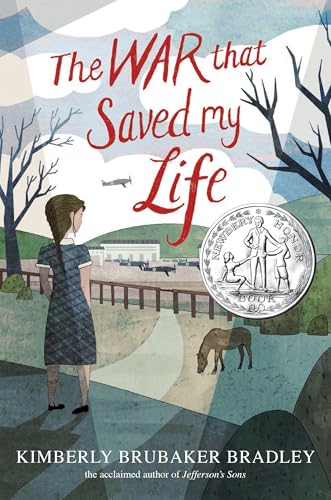
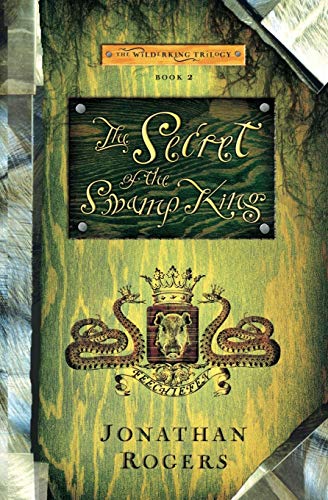
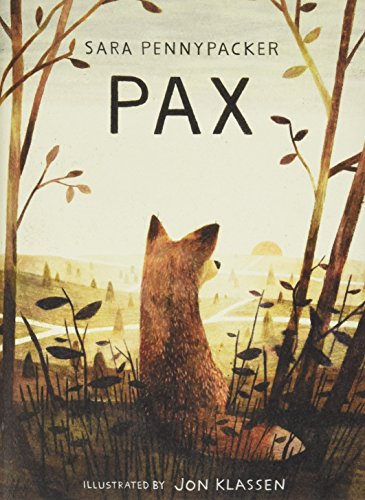
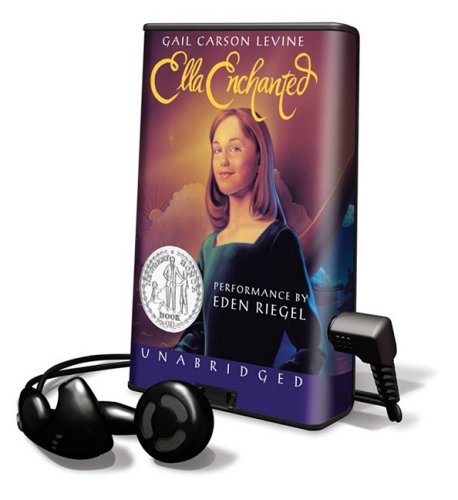
Top picks parents buy
Hand-picked books that fit this guide. Prices and availability are shown on Amazon.
6 min read · Updated October 10, 2026
The short answer
The best books for homeschool include a mix of living books, primary sources, and high-interest literature that spark curiosity. Families should prioritize narrative non-fiction for history, early readers that build confidence like Elephant and Piggie, and classic adventures like Treasure Island to develop a rich vocabulary and a deep love for lifelong learning.
Key takeaways
- Living books replace dry textbooks with engaging, narrative-driven stories that make subjects like history and science come alive.
- Read-alouds are a cornerstone of homeschool culture, fostering shared family discussions across multiple grade levels.
- A balanced book list includes a mix of challenging classics, modern high-interest fiction, and narrative non-fiction.
- Careful vetting of YA titles is necessary as themes become more complex for high schoolers, moving into caution-rated content.
The Foundation of a Literature-Based Homeschool
Choosing books for a homeschool environment is fundamentally different from selecting a quick weekend read. In a home education setting, books serve as the primary teachers, sparking questions that lead to deep dives into history, science, and ethics. This approach often centers on living books—text written by a single passionate author that presents ideas in a narrative format rather than a list of dry facts. By surrounding students with high-quality prose, parents help them develop a natural ear for grammar and a sophisticated vocabulary without the need for repetitive worksheets.
When building your home library, it is helpful to categorize books into three buckets: read-alouds, independent readers, and reference materials. Read-alouds like The Three Investigators in the Secret of Terror Castle allow the whole family to engage in a shared mystery, regardless of individual reading levels. Independent readers should match the child's current fluency, while reference materials provide the backbone for research projects. The goal is to create an environment where books are not just assignments but tools for discovery and windows into different eras and cultures.
Early Literacy and Foundation Building for Ages 5-9
For the youngest learners, the priority is building confidence and a positive association with books. Titles like Elephant & Piggie: There Is a Bird on Your Head! by Mo Willems are staples for a reason. With limited text and expressive illustrations, they allow new readers to practice decoding while laughing at the humor. These early successes are crucial for reluctant readers who might feel overwhelmed by dense pages of text. Using humor and predictable patterns helps children transition from hearing stories to participating in them.
As students move into the 7 to 9 age range, bridge books become essential. Zoey and Sassafras: Dragons and Marshmallows is a standout choice because it weaves the scientific method into a charming fantasy story. It teaches kids how to observe, hypothesize, and experiment alongside the protagonist. For families who prefer a bit of mystery and wit, Who Could That Be at This Hour? by Lemony Snicket offers a slightly more sophisticated tone that respects a child's intelligence. These books serve as a gateway to longer chapter books and complex plot lines.
Middle Grade Mastery: History and Adventure for Ages 9-13
The middle grade years are a golden age for homeschool reading. This is when students can handle longer series like How to Train Your Dragon by Cressida Cowell. While the movies are popular, the books offer a much richer exploration of leadership, failure, and growth, spanning twelve volumes that grow in complexity. For boys and girls who crave action, these series keep them coming back to the shelf day after day. It is also an ideal time to introduce classics like Treasure Island, which challenges readers with nautical terminology and 19th-century sentence structures.
History often becomes a favorite subject when taught through the lens of historical fiction. Grenade by Alan Gratz provides a visceral, age-appropriate look at the Battle of Okinawa during World War II. For a more introspective look at the human experience, A Girl from Yamhill by Beverly Cleary offers a memoir that details the Great Depression through the eyes of a beloved children's author. These titles help students move beyond dates and names to understand the emotional reality of historical events. Even books that require a caution tag, such as Blubber by Judy Blume, are valuable for discussing social dynamics and empathy in a safe home setting.
Using Mystery and Fantasy to Boost Engagement
If a student is struggling to stay interested in their curriculum, introducing a high-interest genre like mystery can be a game-changer. The Bartimaeus Sequence: The Amulet of Samarkand by Jonathan Stroud is a fantastic pick for students who enjoy sarcasm and intricate magic systems. It is clever, well-paced, and introduces a unique perspective on power and history. Mysteries like The Three Investigators series also teach logic and deduction, skills that are directly transferable to mathematics and science.
Fantasy series also allow for deep dives into world-building, which can be a springboard for creative writing assignments. When a child reads The Lunar Chronicles, they aren't just reading a story; they are seeing how an author can reconstruct a classic tale into something entirely new. This encourages them to try their hand at "retellings" or map-making for their own fictional worlds. By integrating these high-interest titles into the school day, you show the student that reading is not a chore to be finished, but a world to be explored.
Specialized Interests: Sports and Memoirs
Homeschooling allows for the flexibility to follow a child’s specific passions, such as sports or biography. The Kid from Tomkinsville by John R. Tunis is a classic baseball novel that captures the grit and determination of the sport, making it an excellent choice for a sports-minded middle schooler. These books often teach character lessons about perseverance and teamwork more effectively than a lecture ever could. They serve as a bridge for children who might feel that "academic" books don't speak to their interests.
Memoirs like A Girl from Yamhill provide a different kind of connection. When students read about the real-life struggles of an author they admire, it humanizes the writing process. They see that even famous writers had to deal with boring school days, financial worries, and family tensions. This makes the act of writing feel more attainable for the student. Whether it is a historical memoir or a contemporary biography, these true stories provide the "living" element that makes a homeschool curriculum feel vibrant and relevant to the real world.
Reading gear parents love
Bigger helpers that make reading easier and more fun. Prices change — check today's price on Amazon.
Kindle Kids
$110-$140 · Ages 6-12 building an independent-reading habit
A dedicated e-reader keeps chapter books handy without the distractions of a general-purpose tablet. Adjustable text size helps children find a comfortable reading setup.
See it on AmazonYoto Player
$100-$130 · Ages 3-12, especially pre-readers and children who enjoy listening
Screen-free audiobooks support story time and listening comprehension. Children can listen alongside a matching print book; budget separately for story cards.
See it on AmazonKidKraft Sling Bookshelf
$50-$90 · Ages 3-8 choosing picture books and early readers
Front-facing storage makes book covers easy to recognize and browse. Use it to rotate read-aloud favorites and books tied to the week's homeschool topics.
See it on AmazonApple iPad (A16)
$300-$400 · Ages 8 and up using digital library books and homeschool materials
The color screen suits illustrated books, reference titles, and curriculum PDFs. Parent-set app limits can help keep reading sessions focused.
See it on Amazon
Ready to buy?
Grab these picks on Amazon — we may earn a small commission at no extra cost to you.
Get our monthly book picks
One email a month with the best clean books for your kids' ages. No spam — unsubscribe anytime.
Frequently asked
What is a living book in homeschooling?+
A living book is a narrative written by one author who has a passion for the subject, avoiding the dry facts found in standard textbooks.
Do I need to read aloud if my child can already read?+
Read-alouds are essential for all ages because they build community, improve listening comprehension, and allow children to enjoy stories above their independent reading level.
Are there homeschool books that teach science through stories?+
Yes, Zoey and Sassafras: Dragons and Marshmallows is an excellent introduction to the scientific method for children ages 6 to 9.
How do I choose books for a reluctant reader?+
Focus on high-action series like How to Train Your Dragon or graphic novels that provide visual context and keep the pacing fast.
Why are classics important for a homeschool curriculum?+
Classic literature like Treasure Island introduces complex sentence structures and historical vocabulary that modern books often simplify.
Can fiction be used for history lessons?+
Historical fiction like Grenade by Alan Gratz helps students empathize with people from the past, making history feel personal rather than abstract.
Books to explore next
Hand-picked reads that fit this topic — tap through for the full parent review.
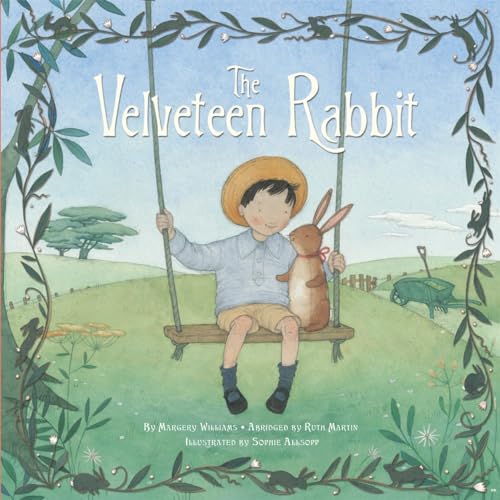
The Velveteen Rabbit
by Margery Williams
Read the parent review →

A Wrinkle in Time
by Madeleine L'Engle
Read the parent review →

The Story of Ferdinand
by Munro Leaf
Read the parent review →
James and the Giant Peach
by Roald Dahl
Read the parent review →
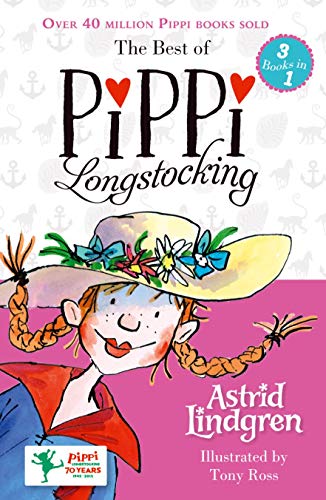
Pippi Longstocking
by Astrid Lindgren
Read the parent review →
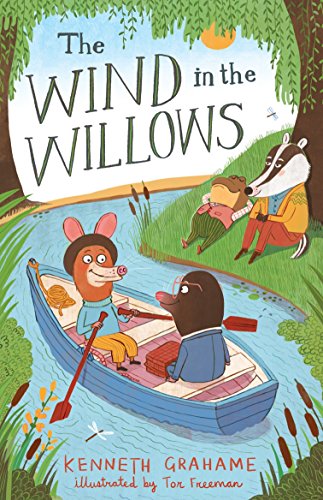
The Wind in the Willows
by Kenneth Grahame
Read the parent review →
Keep exploring
Classics · All Ages
30 Classic Children's Books Every Child Should Read (2026)
Reluctant readers
Books for Reluctant Readers
Clean picks
Books Without Profanity
Grades 9–12
High School Reading List
Newbery Winners · Ages 8–12
20 Best Newbery Award Books for Kids (Parent-Approved 2026)
Clean picks
Books Without Romance
Get new picks like these in your inbox
One short email a week — new reading lists, parent-vetted picks, and free guides.