Classics · All Ages
Classic Children's Books Every Child Should Read
Some books are classics because they're old. These are classics because they're right. Every one of them still reads like it was written last year. Skip 'classics editions' with abridged text — always buy the original. Hardcover if you can; these are books your kids will hand to their kids. **Parent Decision Box:** Reading aloud? Charlotte's Web. Independent 8-year-old? Matilda. Family reader? Narnia. Little kids? Stuart Little. **Why parents choose these books:** These books formed us. They'll form your kids.
89 parent-vetted picks
As an Amazon Associate I earn from qualifying purchases. Learn more


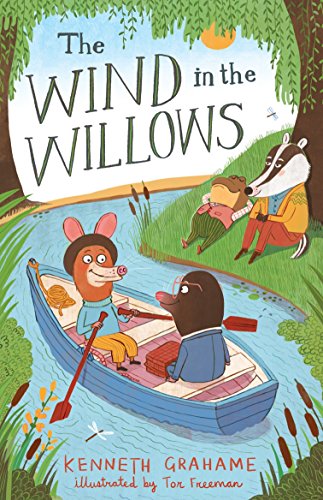


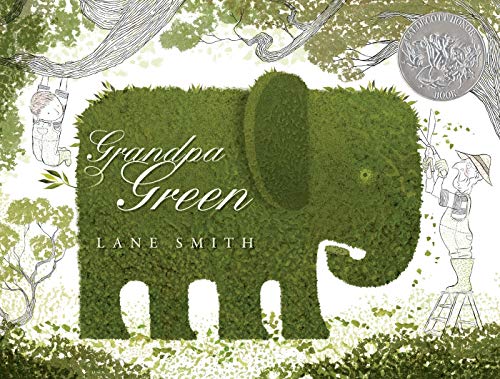
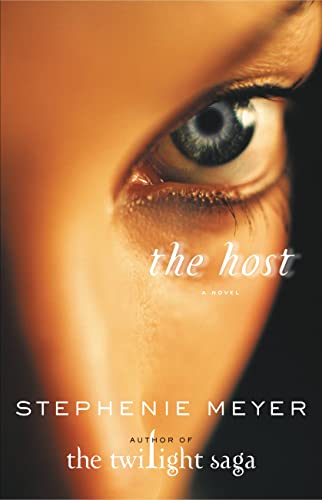




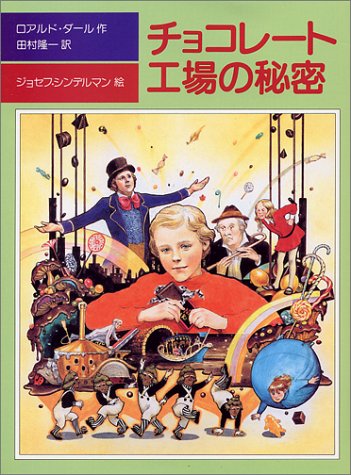

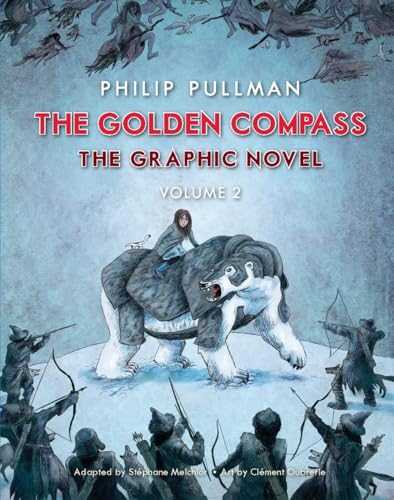
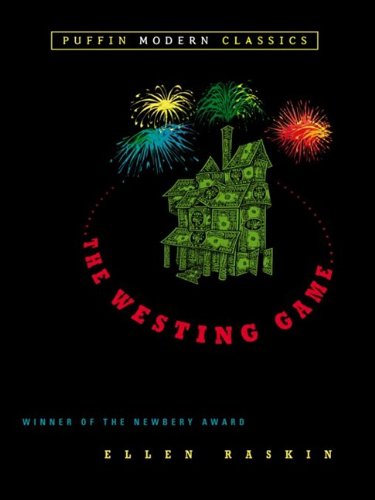
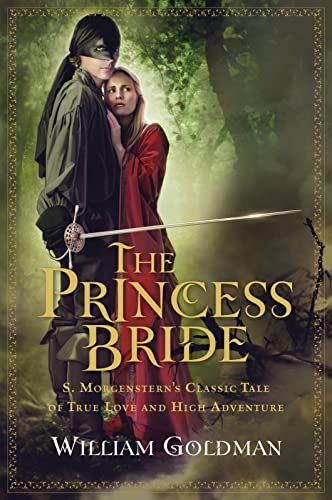



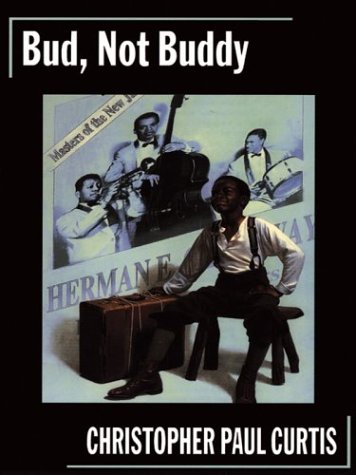
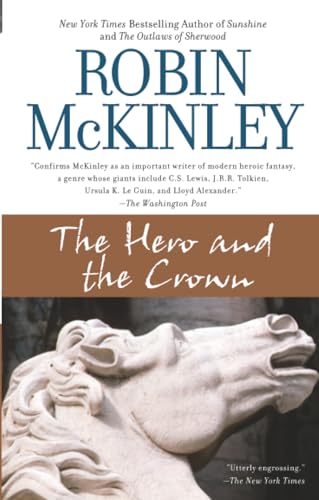

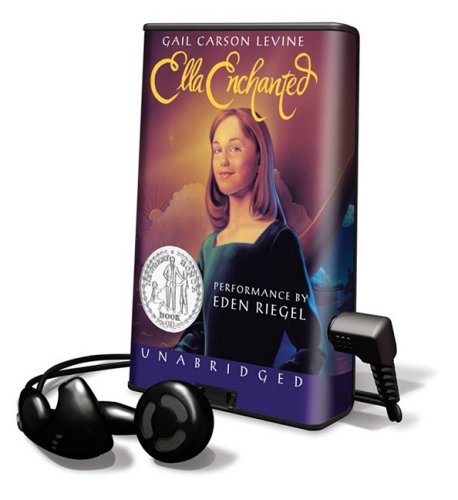
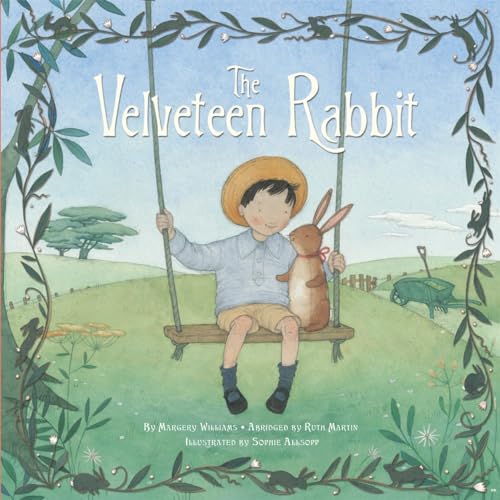
Top picks parents buy
Hand-picked books that fit this guide. Prices and availability are shown on Amazon.
6 min read · Updated October 9, 2026
The short answer
Classic children's books are essential literary pillars that offer timeless themes of friendship, courage, and discovery across generations. These stories, ranging from picture books like Giraffes Can't Dance to epic adventures like The Dark Is Rising, provide a shared cultural language and high-quality vocabulary that build a strong foundation for lifelong literacy and emotional intelligence.
Key takeaways
- Classic books provide a high-quality vocabulary foundation that helps children excel in standardized testing and creative writing.
- Reading timeless stories allows children to connect with previous generations, creating a shared family culture.
- A balanced home library should include both classic fiction and narrative non-fiction like Lincoln: A Photobiography.
- Original, unabridged editions are superior for developing a child's attention span and appreciation for descriptive language.
The Foundation of Early Childhood Literacy
The journey into classic literature begins long before a child can hold a chapter book. For toddlers and preschoolers, classics are defined by their rhythmic language and the way they invite interaction. Books like Giraffes Can't Dance by Giles Andreae serve as an essential introduction to the idea that stories can teach resilience and self-acceptance. These early encounters with literature build the neural pathways required for complex storytelling later in life. Parents should look for books with high-contrast illustrations and repetitive text that encourages the child to chime in during read-aloud sessions.
Modern early readers also have their place in the pantheon of classics. Mo Willems’ Elephant & Piggie: There Is a Bird on Your Head! has earned its spot by mastering the art of the 'easy reader.' By using minimal text and expressive illustrations, it teaches children about social cues and the frustrations of friendship in a way that feels timeless. Building a library for ages 5-7 should focus on these books that bridge the gap between being read to and reading independently, ensuring the child feels a sense of mastery over the printed word.
Early Chapter Book Transitions
When a child is ready to move beyond picture books, Zoey and Sassafras: Dragons and Marshmallows by Asia Citro offers a contemporary classic feel. It combines magical creatures with the scientific method, providing a structured yet imaginative experience for readers aged 6 to 9. This series represents the new wave of classics that prioritize diverse characters and STEM themes while maintaining the charm of traditional storytelling.
The Golden Age of Middle Grade Reading
Ages 8 to 12 are often considered the sweet spot for falling in love with reading. This is the era of E.B. White’s The Trumpet of the Swan, a story that follows Louis, a trumpeter swan born without a voice. It is a quintessential classic because it deals with disability and determination with a gentle hand. For many children, this is the first time they will encounter a protagonist who must work significantly harder than his peers to achieve his goals, a lesson that stays with them for a lifetime.
Mystery and intrigue also play a massive role in this age group’s development. The Three Investigators in the Secret of Terror Castle by Robert Arthur Jr. is a masterclass in middle-grade suspense. While modern series like Lemony Snicket’s Who Could That Be at This Hour? provide a more meta-textual, humorous take on the mystery genre, they both share the classic trait of respecting the child reader’s intelligence. These books challenge kids to look for clues and solve problems alongside the characters, fostering critical thinking skills that extend far beyond the page.
Epic Adventures and Historical Perspectives
As readers mature into the 10-14 age range, they begin to crave stories with higher stakes and deeper historical context. The Dark Is Rising by Susan Cooper is an atmospheric masterpiece of high fantasy that remains a staple for advanced readers. It blends Arthurian legend with modern-day peril, demanding that the reader pay close attention to mythology and symbolism. While it can be intense for some sensitive readers, it serves as a gateway to the complex world-building found in adult literature.
Historical fiction and non-fiction provide a different kind of classic experience. The Boy in the Alamo by Margaret Cousins or I Survived the Sinking of the Titanic, 1912 by Lauren Tarshis allow children to experience history through the eyes of someone their own age. These books are vital for developing empathy and an understanding of the human condition during times of crisis. For a more modern classic, Front Desk by Kelly Yang offers a poignant look at the immigrant experience in the 1990s, tackling themes of poverty and systemic injustice with grace and humor.
Non-Fiction Classics That Inform the Mind
We often forget that non-fiction can be just as 'classic' as a novel. Russell Freedman’s Lincoln: A Photobiography revolutionized how history was written for children by using authentic photographs and primary sources to humanize a legendary figure. This book is a staple in classrooms because it teaches kids that real life is often more fascinating than fiction. For children aged 9 to 12, this kind of narrative non-fiction builds a factual foundation that supports their social studies and history curriculum.
Another powerful example is The Boys in the Boat (Young Readers Adaptation) by Daniel James Brown. It tells the story of the 1936 U.S. Olympic rowing team and their quest for gold in Nazi Germany. By focusing on teamwork, grit, and the socio-political climate of the time, it provides a multifaceted educational experience. These books are particularly effective for reluctant readers who may not enjoy fantasy but are captivated by true stories of survival and triumph.
Young Adult Classics for the Modern Teen
Teens aged 12 to 16 need stories that reflect their growing complexity and the reality of the world around them. Beverly Cleary’s memoir, A Girl from Yamhill, is a stark departure from her Ramona Quimby books. It provides a raw, honest look at her childhood during the Great Depression. This book is a classic because it validates the teenage experience of feeling misunderstood while navigating family dynamics. It is a 'safe' verdict for parents who want their teens to read something substantial without explicit content.
Science fiction and fantasy also enter a new phase during the teen years. The Lunar Chronicles: Scarlet by Marissa Meyer reimagines classic fairy tales in a futuristic setting. By blending the familiar with the new, it keeps the tradition of storytelling alive for a new generation. For those who prefer more grounded, darker history, Susan Campbell Bartoletti’s Hitler Youth: Growing Up in Hitler's Shadow is a chilling but necessary read. It explores how propaganda can influence young minds, serving as a cautionary tale that remains incredibly relevant today.
Why We Still Read the Classics Today
In an age of digital distractions, the endurance of the classic book is a testament to the power of a well-told story. These books do not rely on gimmicks or flash-in-the-pan trends; they rely on the strength of their prose and the universality of their themes. When a child reads The Amulet of Samarkand by Jonathan Stroud, they are engaging with a witty, complex narrative that has captivated readers for decades. The wit of the djinni Bartimaeus is just as sharp now as it was when the book was first published.
Furthermore, classic books act as a bridge between generations. When a parent shares a favorite childhood book like Grenade by Alan Gratz or a sports biography like Tony Oliva: The Life and Times of a Minnesota Twins Legend, they are sharing a piece of their own history. This shared experience fosters a love of reading that is rooted in connection and conversation. Ultimately, these books are chosen not just for their literary merit, but for their ability to spark a lifelong flame of curiosity in every child who opens their covers.
Reading gear parents love
Bigger helpers that make reading easier and more fun. Prices change — check today's price on Amazon.
Kindle Kids
$100-$140 · Independent readers ages 6–12
Adjustable text size helps children settle into longer chapter books like Matilda. Choose the original, unabridged ebook editions.
See it on AmazonIKEA FLISAT Book Display
$40-$70 · Little kids choosing books for a parent to read aloud
Front-facing covers make favorite books easy to spot and choose. It gives hardcover classics a visible place in a child's reading corner.
See it on AmazonDelta Children Cozee Flip-Out Sherpa 2-in-1 Convertible Sofa
$60-$100 · Ages 3–6 listening to read-alouds or looking through books
A child-sized seat creates a comfortable spot for daily reading. Put it beside the grown-up's chair for Stuart Little or Charlotte's Web.
See it on AmazonYoto Player
$100-$130 · Ages 3–12 listening independently or sharing family stories
Screen-free listening lets younger children enjoy stories beyond their own reading level. Check audiobook cards for the original, unabridged text; cards are sold separately.
See it on Amazon
Ready to buy?
Grab these picks on Amazon — we may earn a small commission at no extra cost to you.
Get our monthly book picks
One email a month with the best clean books for your kids' ages. No spam — unsubscribe anytime.
Frequently asked
Why should my child read old classics instead of just new books?+
Classics introduce rich, complex vocabulary and universal moral themes that modern quick-read series often bypass.
What is a good first classic novel for a young reader?+
The Trumpet of the Swan by E.B. White is a perfect gentle entry point for children ages 6 to 10.
Should I buy abridged versions of classic books for my child?+
Look for the original unabridged text to ensure your child experiences the author's true voice and intent.
Which classic book is best for a child who loves fantasy?+
The Dark Is Rising by Susan Cooper is a masterful choice for 10-year-olds who love high-stakes fantasy.
Are there any modern books considered instant classics?+
Elephant & Piggie: There Is a Bird on Your Head! by Mo Willems is a modern classic that builds confidence in new readers.
Can non-fiction books be considered classics?+
Non-fiction classics like Lincoln: A Photobiography use primary sources to make history feel immediate and personal.
What is a good classic memoir for a teenager?+
A Girl from Yamhill by Beverly Cleary offers a beautiful, honest look at growing up that resonates with ages 12 and up.
Books to explore next
Hand-picked reads that fit this topic — tap through for the full parent review.

Roll of Thunder, Hear My Cry
by Mildred D. Taylor
Read the parent review →

Henry Huggins
by Beverly Cleary
Read the parent review →

The Hobbit
by J.R.R. Tolkien
Read the parent review →
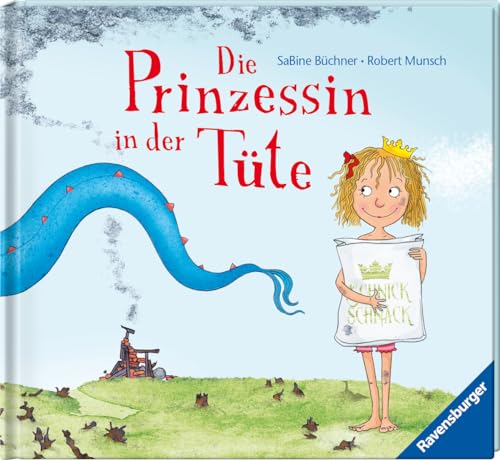
The Paper Bag Princess
by Robert Munsch
Read the parent review →

Where the Sidewalk Ends
by Shel Silverstein
Read the parent review →
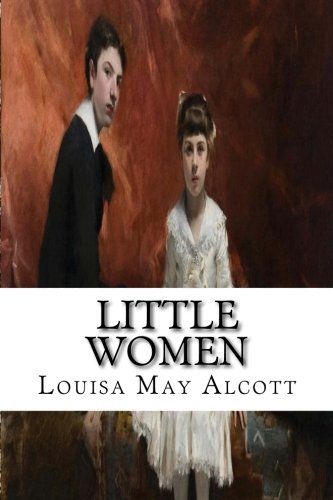
Little Women
by Louisa May Alcott
Read the parent review →
Keep exploring
Get new picks like these in your inbox
One short email a week — new reading lists, parent-vetted picks, and free guides.