
4th Grade · Age 9
The Best Books for 4th Graders
4th grade is when kids graduate to bigger stories. These are the books that meet them there. Aim for 150-300 pages, real plots, and heroes your child can look up to. **Parent Decision Box:** Empathy work? Wonder. Fantasy? Narnia. Funny? Matilda or BFG. Read-aloud? Despereaux. **Why parents choose these books:** Every book here is a 4th-grade classic for a reason.
103 parent-vetted picks
As an Amazon Associate I earn from qualifying purchases. Learn more

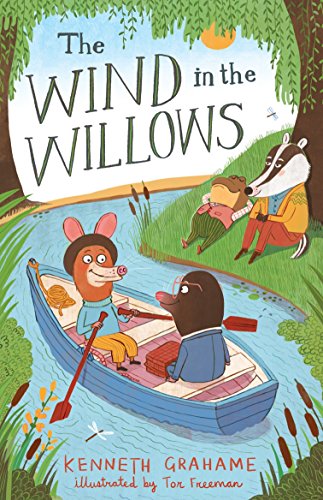
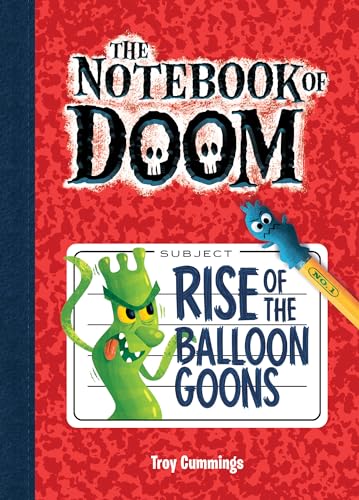
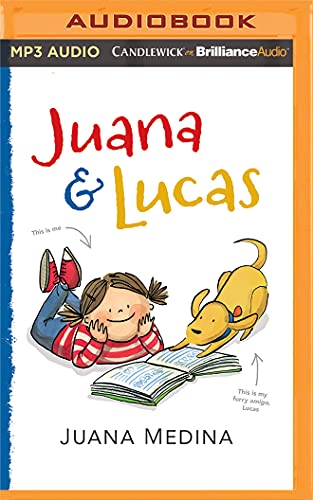


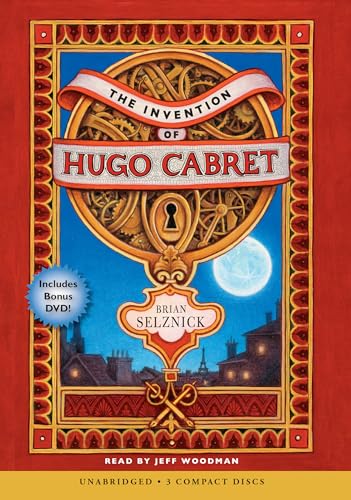
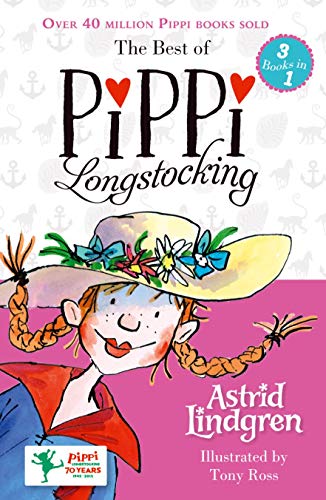
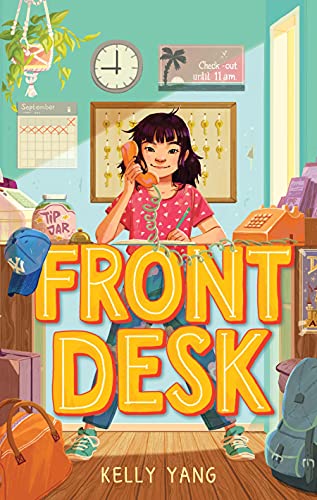
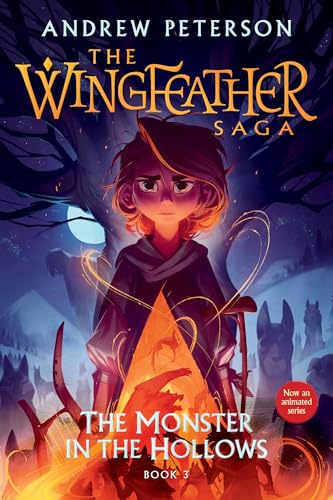
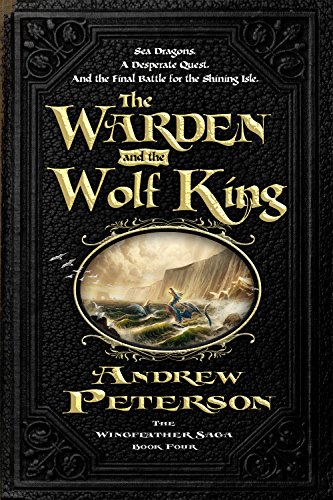

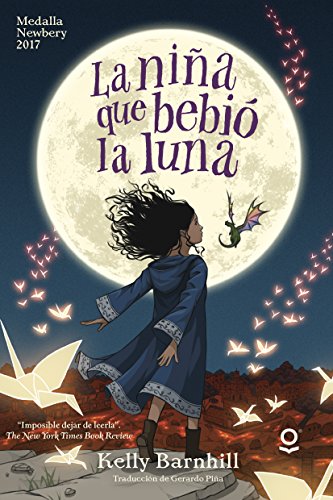
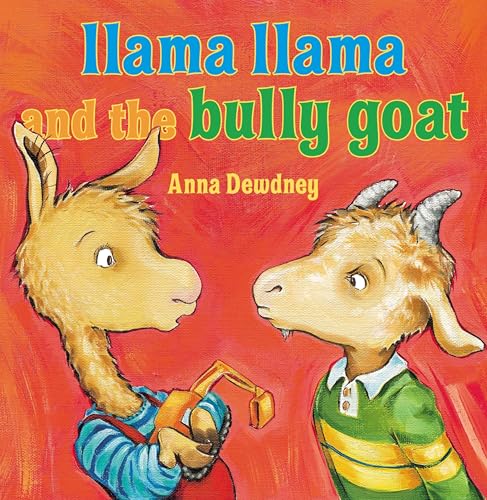
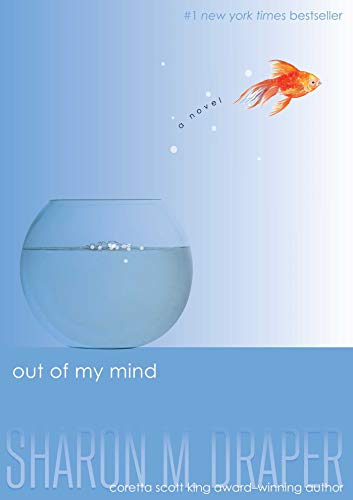

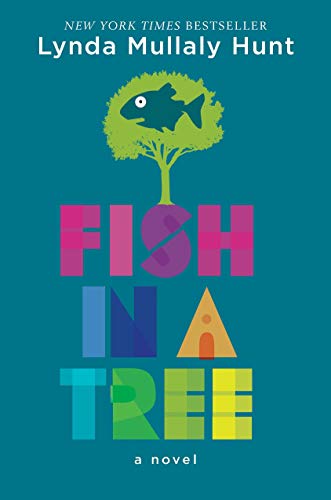
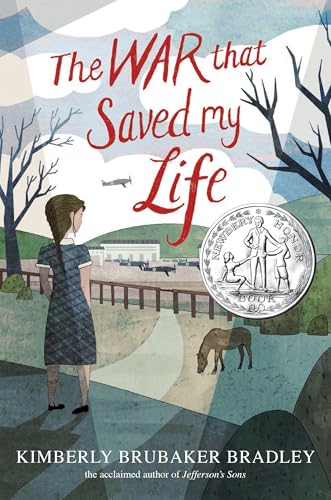

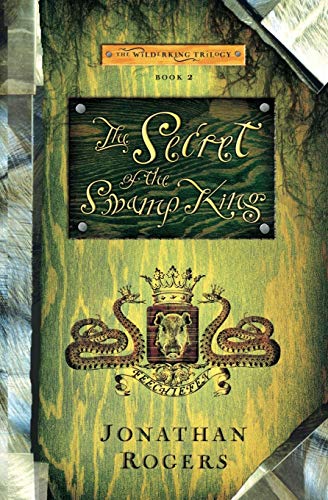
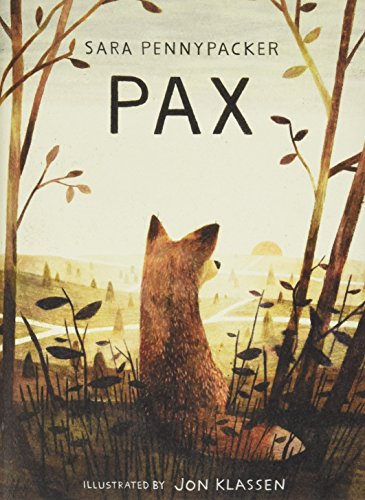
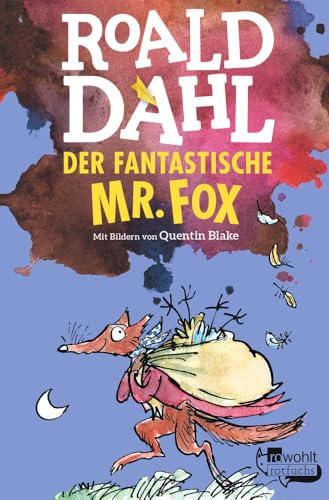
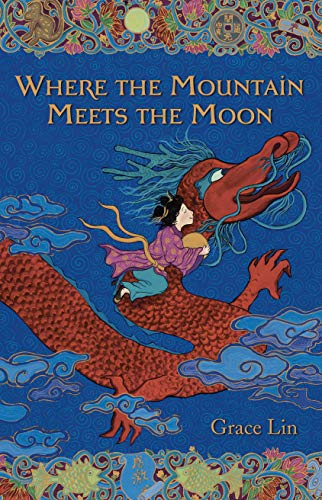
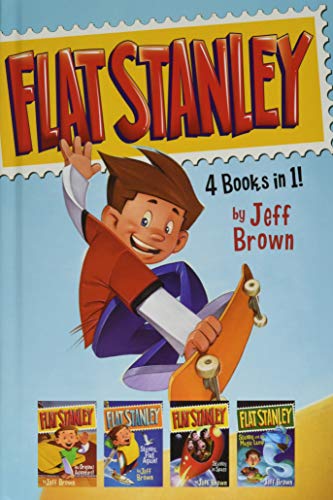
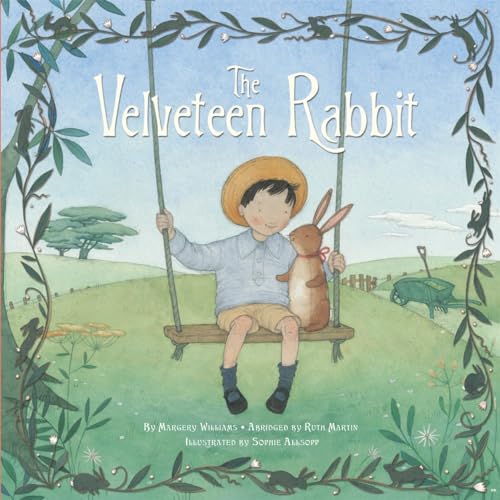
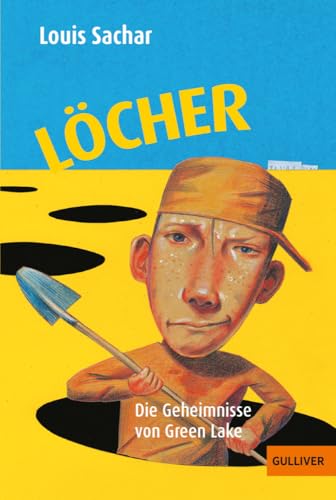


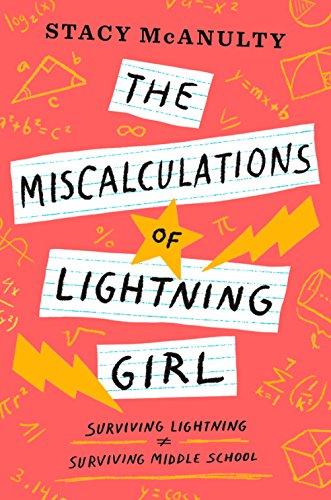
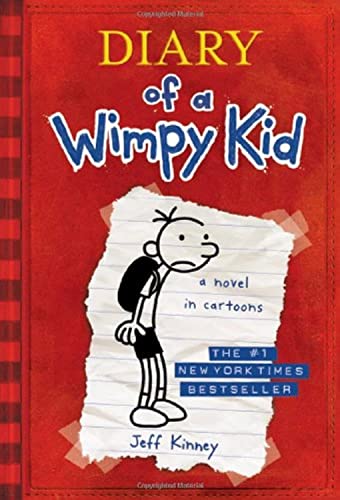

Top picks parents buy
Hand-picked books that fit this guide. Prices and availability are shown on Amazon.
5 min read · Updated October 10, 2026
The short answer
The best books for 4th graders bridge the gap between early chapter books and complex middle-grade novels. Ideal choices for nine-year-olds range from 150 to 300 pages and feature relatable themes like friendship, resilience, and personal identity. These books build reading stamina while fostering empathy and critical thinking skills.
Key takeaways
- Fourth grade is a pivotal year for moving from 'learning to read' to 'reading to learn.'
- Stories with 150-300 pages help build the necessary stamina for upcoming middle school demands.
- Social-emotional learning books are essential for navigating 9-year-old friendship dynamics.
- A mix of fantasy, realistic fiction, and complex picture books keeps diverse learners engaged.
The Transition to Middle-Grade Literature
Fourth grade marks a significant milestone in a child's literacy journey. This is the year most educators describe as the shift from learning how to read to reading to learn. Students are no longer just decoding words; they are expected to synthesize information, understand subtext, and follow complex character arcs over several hundred pages. Finding the right books during this phase is crucial because a book that is too simple may bore them, while one that is too dense can lead to frustration and a loss of interest in reading altogether.
At age nine, children begin to crave stories that reflect their expanding world. They are starting to notice social hierarchies, the nuances of justice, and the importance of individual identity. Books like The Penguin Who Wanted to Find Out by Jill Tomlinson offer a perfect bridge, providing a comforting animal protagonist while introducing longer narrative structures. By selecting books that challenge their intellect while remaining accessible, parents can help their 4th graders build the "reading muscles" needed for the more rigorous curriculum of 5th grade and middle school.
Building Character and Empathy Through Story
The social landscape of 4th grade can be tricky, making bibliotherapy a powerful tool for parents and teachers. Titles such as The Invisible Boy and Just Kidding by Trudy Ludwig are specifically designed to address the subtle forms of social exclusion and "relational aggression" that often crop up at this age. These stories provide a safe vocabulary for children to discuss their feelings and help them recognize the impact of their actions on others. Using these books as a springboard for conversation can be more effective than a direct lecture on kindness.
Empathy-building books like Somebody Loves You, Mr. Hatch and Those Shoes allow 9-year-olds to step into the lives of others who may be facing loneliness or economic hardship. Ordinary Mary's Extraordinary Deed is another excellent choice that demonstrates the ripple effect of small acts of kindness. These stories aren't just for bedtime; they are essential tools for developing a child's moral compass. When a child reads about Brave Irene struggling through a blizzard to help her mother, they learn about perseverance and selflessness in a way that sticks with them far longer than a classroom rule.
Addressing Bullying and Conflict
Books like The Juice Box Bully and Enemy Pie offer concrete strategies for handling conflict. These stories show 4th graders that they have the agency to change a social dynamic, whether by standing up for a peer or finding common ground with an "enemy." These narratives are particularly effective because they focus on empowerment rather than just victimhood.
Fantasy and Adventure: Stretching the Imagination
For many 4th graders, fantasy is the hook that turns them into lifelong readers. While they might be moving toward epic series, classic fairy tale retellings like Jack and the Beanstalk by Steven Kellogg provide a sense of wonder and familiar structure. Fantasy allows children to explore themes of good versus evil and heroism in a setting that feels high-stakes but safe. This genre is excellent for building vocabulary, as fantasy authors often use descriptive, atmospheric language to build their worlds.
If your child is ready for even more depth, the transition into longer series can start here. This age group loves the idea of hidden worlds and secret powers. It is the perfect time to introduce stories that feature "ordinary" children who discover they have an extraordinary role to play. By engaging with these imaginative plots, 4th graders learn to track multiple subplots and remember detailed lore, which are advanced cognitive skills that will serve them well in higher-level English and History courses.
The Role of Picture Books for Older Readers
It is a common misconception that 4th graders have "outgrown" picture books. In reality, picture books for this age group often tackle much more sophisticated themes than those intended for toddlers. Books like The Lorax by Dr. Seuss address environmental stewardship, while Rosie Revere, Engineer, Iggy Peck, Architect, and Ada Twist, Scientist by Andrea Beaty celebrate the STEM fields and the importance of failing forward. These books use art and rhyming text to make complex concepts like structural integrity or the scientific method approachable.
Picture books also provide a visual entry point for reluctant readers or English Language Learners. A book like Ish by Peter H. Reynolds, which explores the pressure of perfectionism, can be read in ten minutes but discussed for an hour. These titles are excellent for classroom "morning meetings" or as a quick family read before dinner. They remind 4th graders that stories don't have to be long to be meaningful, and the beautiful illustrations can help spark a child's own creativity in writing and art.
Spiritual Growth and Traditional Values
For families looking to integrate faith into their reading routine, The Jesus Storybook Bible by Sally Lloyd-Jones remains a staple even into the 4th grade. While the reading level is accessible for younger children, the theological depth and the way it connects every story to a central theme make it a valuable resource for 9-year-olds to read independently. It helps them see the "big picture" of a narrative, a skill that translates directly to their academic analysis of secular literature.
Traditional values like honesty, hard work, and loyalty are also prominent in many 4th-grade favorites. Whether it is a classic fable or a modern story about a child standing up for what is right, these books reinforce the lessons parents are teaching at home. The key is to find stories where the "moral" feels earned through the character's struggle rather than just tacked on at the end. When a child sees a hero make a difficult but right choice, it carries significantly more weight than simply being told to be good.
Ready to buy?
Grab these picks on Amazon — we may earn a small commission at no extra cost to you.
Get our monthly book picks
One email a month with the best clean books for your kids' ages. No spam — unsubscribe anytime.
Frequently asked
How long should a book for a 4th grader be?+
Most 4th grade books average between 20,000 and 40,000 words, typically spanning 150 to 300 pages.
Are picture books still appropriate for 4th graders?+
Yes, picture books like The Lorax or Ish offer sophisticated themes that stimulate high-level classroom discussions for nine-year-olds.
Are graphic novels good for 4th grade reading levels?+
Graphic novels are excellent for building visual literacy and keeping reluctant readers engaged with complex narrative structures.
How much should I read aloud to my 4th grader?+
Read aloud for 15-20 minutes daily to help them experience stories above their independent reading level and build vocabulary.
What is the average reading level for a 4th grader?+
Look for Lexile measures between 740L and 940L, which represent the typical range for successful 4th-grade comprehension.
Which books help with 4th grade social skills?+
Titles like Enemy Pie and The Juice Box Bully are perfect for teaching social-emotional skills and conflict resolution.
Books to explore next
Hand-picked reads that fit this topic — tap through for the full parent review.

Sarah, Plain and Tall
by Patricia MacLachlan
Read the parent review →
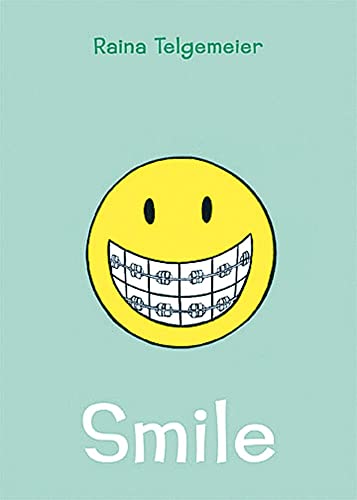
Smile
by Raina Telgemeier
Read the parent review →

The Vanderbeekers of 141st Street
by Karina Yan Glaser
Read the parent review →
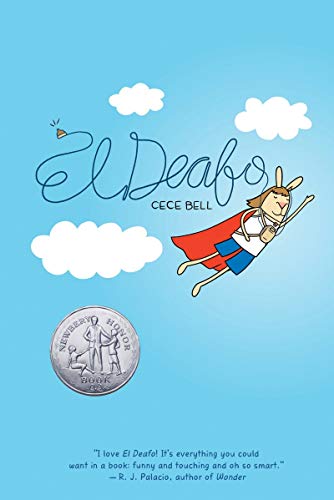
El Deafo
by Cece Bell
Read the parent review →
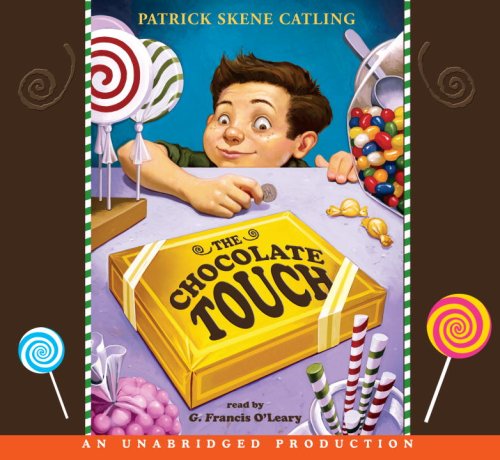
The Chocolate Touch
by Patrick Skene Catling
Read the parent review →

Dog Man
by Dav Pilkey
Read the parent review →
Keep exploring
6th Grade · Age 11
30 Best Books for 6th Graders (Parent-Approved Middle Grade 2026)
5th Grade · Age 10
30 Best Books for 5th Graders (Parent-Approved 2026)
3rd Grade · Age 8
30 Best Books for 3rd Graders (Parent-Approved 2026)
Reluctant readers
Books for Reluctant Readers
Age 10 · Girls
Best Books for 10 Year Old Girls
Age 8 · Boys
Best Books for 8 Year Old Boys
Get new picks like these in your inbox
One short email a week — new reading lists, parent-vetted picks, and free guides.
Social Awareness and Community Responsibility
As 4th graders become more aware of the world around them, they often start to ask questions about poverty, hunger, and social justice. Uncle Willie and the Soup Kitchen is a gentle but honest look at community service that can help answer these questions. It demystifies the idea of a soup kitchen and portrays the people who use it with dignity and respect. Reading these types of books helps 9-year-olds move beyond their own "bubble" and understand that they are part of a larger community.
Developing global awareness is a key part of the 4th-grade social studies curriculum. Books that feature diverse protagonists and varied socioeconomic backgrounds help prevent the "single story" bias. When children read about characters who face different challenges than their own, they develop a more nuanced understanding of the human experience. This foundational empathy is what allows them to become thoughtful, engaged citizens as they grow into their teenage years and beyond.