6th Grade · Age 11
The Best Books for 6th Graders
6th grade is the year kids get handed the wrong books. These are the right ones. Favor rich middle grade over thin YA. 6th graders can handle real ideas — they just don't need adult content. **Parent Decision Box:** Serious reader? The Giver. Adventure? Percy Jackson. Fantasy? 100 Cupboards. Meaning? Wonder. **Why parents choose these books:** Every book here is a book a 6th grader will remember at 25.
29 parent-vetted picks
As an Amazon Associate I earn from qualifying purchases. Learn more
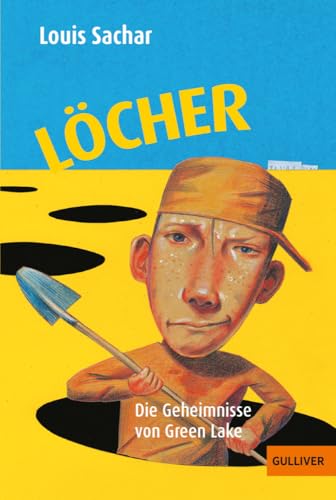
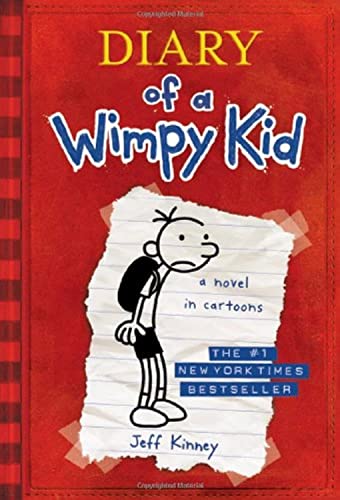
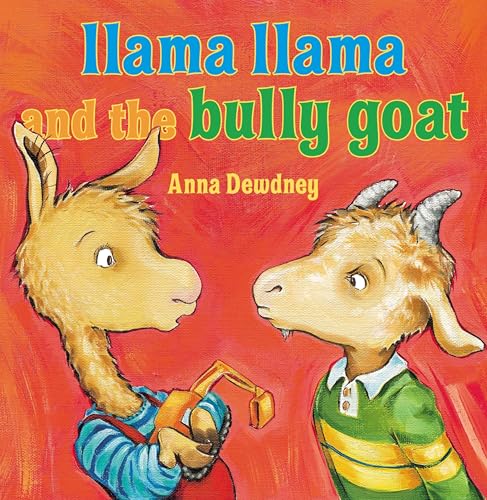




Top picks parents buy
Hand-picked books that fit this guide. Prices and availability are shown on Amazon.
6 min read · Updated October 10, 2026
The short answer
The best books for 6th graders balance sophisticated themes with age-appropriate content, focusing on identity, courage, and complex friendships. Recommended titles include The Giver for deep thinkers, Percy Jackson for adventure seekers, and Wonder for teaching empathy. These books bridge the gap between elementary stories and mature young adult literature.
Key takeaways
- Look for 'Middle Grade' (MG) labels rather than 'Young Adult' (YA) to avoid overly mature themes while maintaining high reading levels.
- Graphic novels and fast-paced adventure series are vital tools for keeping reluctant readers engaged during the middle school transition.
- Historical fiction and memoirs provide essential context for 6th graders beginning to explore world history and social justice.
- Fantasy series with intricate world-building, like The Bartimaeus Sequence, help develop long-term focus and critical thinking skills.
The Middle Grade Sweet Spot: Transitioning to 6th Grade Reading
Entering 6th grade marks a significant shift in a child’s literary journey. At age 11 or 12, students are moving away from the simpler narratives of elementary school and toward stories that mirror their own burgeoning independence. This is the 'middle grade' sweet spot. Readers at this level are capable of processing complex emotional arcs and moral dilemmas, yet they often lack the life experience for the romance-heavy or cynical themes found in older Young Adult fiction. Providing the right books ensures they stay lifelong readers rather than burning out on content that feels too heavy or, conversely, too babyish.
One of the biggest challenges for parents is finding books that match a 6th grader's advanced technical reading ability without exposing them to adult situations. A child might have a high Lexile score but still benefit from the safety of a 'verdict safe' rating. Our list focuses on titles that respect the intellect of a 12-year-old while protecting their childhood. We look for stories that emphasize character growth, social dynamics, and the consequences of one's choices, which are the primary concerns of the middle school mind.
High-Stakes Adventure and Fantasy Series
For many 6th graders, reading is an escape. Series like How to Train Your Dragon by Cressida Cowell offer a perfect blend of humor and high-stakes adventure. While younger kids enjoy the animated adaptations, the original books provide a much deeper exploration of leadership and the weight of expectations. For a more sophisticated fantasy experience, The Bartimaeus Sequence: The Amulet of Samarkand by Jonathan Stroud introduces a sarcastic djinni and a complex magical bureaucracy. It is a fantastic choice for kids who have finished Harry Potter and are looking for something with a sharper edge and cleverer prose.
If your reader prefers classic structures, The Dark Is Rising by Susan Cooper is an atmospheric masterpiece. It leans into Arthurian legend and the eternal struggle between light and dark, requiring a higher level of concentration than modern fast-paced novels. For those who want something fast and punchy, the Fablehaven series or the world of Percy Jackson continues to be a hit. These books work because they place the power in the hands of the children, allowing 6th graders to imagine themselves as the heroes of their own sprawling epics.
Classic Quests and Timeless Tales
Classic literature still holds a place on the 6th-grade shelf. Treasure Island by Robert Louis Stevenson remains a gold standard for adventure. With its themes of betrayal and greed, it challenges 11-year-olds to think about morality in shades of gray. Similarly, The Three Investigators in the Secret of Terror Castle offers a nostalgic yet gripping mystery that rewards logical thinking and attention to detail, proving that 'old' books can still outpace modern thrillers.
Historical Fiction and Real-World Perspectives
Sixth grade is often the year students begin a more serious study of world history. Books like Grenade by Alan Gratz bring the harrowing reality of the Battle of Okinawa to life through the eyes of two young boys on opposing sides. It is a visceral, emotional read that helps students understand the human cost of conflict without being gratuitous. For a different look at history, Hitler Youth: Growing Up in Hitler's Shadow by Susan Campbell Bartoletti provides a chilling non-fiction account of how propaganda can influence young minds. This is a 'verdict caution' pick, intended for mature readers who can handle difficult discussions about indoctrination.
Non-fiction doesn’t have to be dry. Lincoln: A Photobiography by Russell Freedman uses stunning visuals and narrative storytelling to make the 16th president feel like a living, breathing human rather than a marble statue. For sports fans, The Boys in the Boat (Young Readers Adaptation) offers an inspiring look at the 1936 Olympic rowing team. It teaches perseverance and teamwork in a way that feels urgent and exciting, making it a great pick for kids who think they only like fiction. These books serve as a bridge between the classroom and personal interest.
Sci-Fi, Mystery, and Modern Favorites
For readers who want to look toward the future, The Lunar Chronicles: Scarlet by Marissa Meyer offers a high-concept reimagining of fairy tales set in a high-tech world. It appeals to 6th graders who are starting to appreciate genre-blending and complex world-building. For a more philosophical sci-fi experience, The House of the Scorpion by Nancy Farmer raises big questions about cloning, ethics, and what it means to have a soul. Because it deals with some intense themes, it is best suited for 11-year-olds who are ready for a serious intellectual challenge.
Mystery lovers have plenty of options as well. Who Could That Be at This Hour? by Lemony Snicket kicks off the 'All the Wrong Questions' series with the author's trademark wit and absurdist style. It is a great choice for kids who enjoy decoding clues and don't mind a story that doesn't hand them all the answers. If you are looking for something lighter, Oxford Reading Tree TreeTops Chucklers: Absolutely Awful Adults provides a humorous look at the frustrations of dealing with the grown-up world, perfect for a quick laugh between more intense reading assignments.
Graphic Novels and Visual Storytelling
Graphic novels are no longer just for 'reluctant' readers; they are a sophisticated medium that 6th graders adore. Ms. Marvel, Vol. 1: No Normal by G. Willow Wilson is a standout example. It follows Kamala Khan, a Pakistani-American teen balancing superhero duties with family expectations and religious identity. The visual format allows for nuanced storytelling that resonates deeply with middle schoolers who are also trying to figure out where they fit in. It provides a contemporary, diverse perspective that is often missing from older classics.
The beauty of the graphic novel format in 6th grade is its ability to tackle complex topics without the intimidation of a 400-page text block. Whether it's a memoir or a superhero epic, visual narratives help build visual literacy and keep students engaged during a year when school workloads increase. For parents, these books are a great way to ensure their child is still reading for pleasure, which is the best way to maintain literacy skills throughout the middle school years.
Ready to buy?
Grab these picks on Amazon — we may earn a small commission at no extra cost to you.
Get our monthly book picks
One email a month with the best clean books for your kids' ages. No spam — unsubscribe anytime.
Frequently asked
What is a typical reading level for a 6th grader?+
We recommend a Lexile range between 750L and 1000L for most 6th graders to ensure they are challenged but not frustrated.
Are these books appropriate for classroom discussion?+
Yes, titles like The Giver and Wonder are staples because they handle heavy social topics without unnecessary adult content.
What are the best books for reluctant readers in 6th grade?+
Graphic novels like Ms. Marvel or fast-paced series like How to Train Your Dragon are excellent choices for kids who struggle with dense text.
How do I introduce historical fiction to my 11-year-old?+
Historical fiction like Grenade by Alan Gratz is highly effective for 11-year-olds because it blends intense action with real-world learning.
Is non-fiction important for 6th grade reading?+
Memoirs like A Girl from Yamhill by Beverly Cleary offer a relatable bridge to non-fiction by focusing on personal growth.
How can I tell if a book is too mature for my child?+
Check the 'caution' labels on books like The House of the Scorpion, which deals with cloning and ethics, to ensure your child is ready.
Books to explore next
Hand-picked reads that fit this topic — tap through for the full parent review.
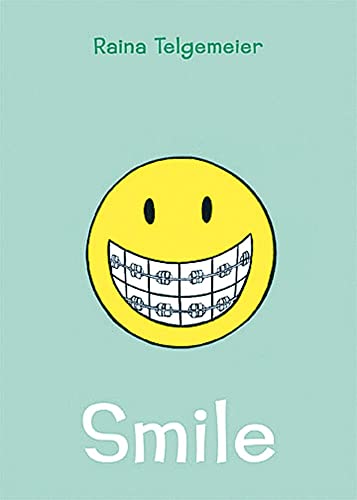
Smile
by Raina Telgemeier
Read the parent review →
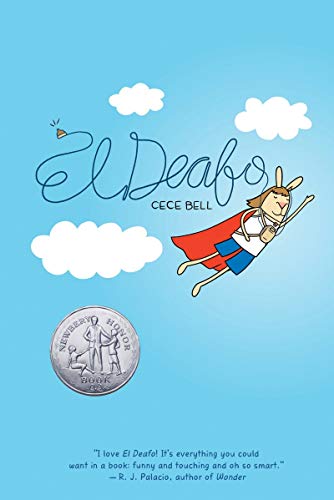
El Deafo
by Cece Bell
Read the parent review →
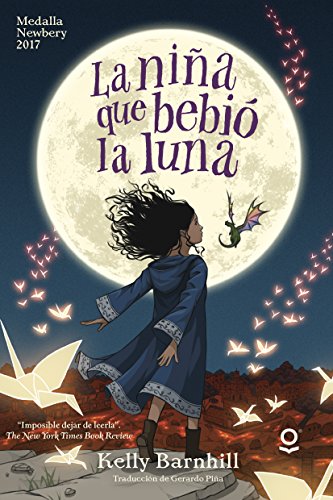
The Girl Who Drank the Moon
by Kelly Barnhill
Read the parent review →
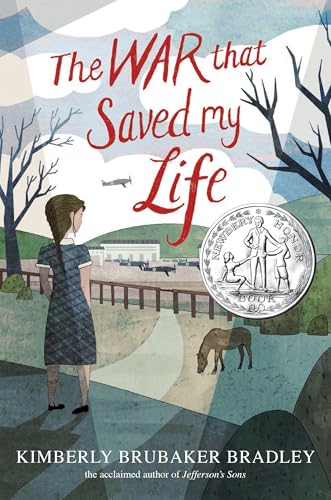
The War That Saved My Life
by Kimberly Brubaker Bradley
Read the parent review →
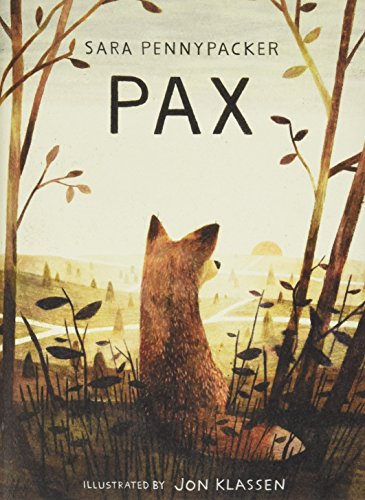
Pax
by Sara Pennypacker
Read the parent review →

A Wrinkle in Time
by Madeleine L'Engle
Read the parent review →
Keep exploring
Grades 6–8
Middle School Reading List
5th Grade · Age 10
30 Best Books for 5th Graders (Parent-Approved 2026)
Advanced
Advanced Reader Books
Age 12 · Seventh Grade
30 Best Books for 12-Year-Olds — Middle Grade Parents Trust (2026)
4th Grade · Age 9
30 Best Books for 4th Graders (Parent-Approved 2026)
Age 10 · Girls
Best Books for 10 Year Old Girls
Get new picks like these in your inbox
One short email a week — new reading lists, parent-vetted picks, and free guides.