Grades 6–8
Middle School Reading List
A curated middle-school reading list — modern novels and classics that hold up in the classroom and at home.
9 parent-vetted picks
As an Amazon Associate I earn from qualifying purchases. Learn more


Top picks parents buy
Hand-picked books that fit this guide. Prices and availability are shown on Amazon.
5 min read · Updated October 9, 2026
The short answer
A comprehensive middle school reading list for grades 6-8 includes a mix of fast-paced historical fiction like Alan Gratz’s Grenade, modern sci-fi like Cinder, and sophisticated non-fiction such as The Boys in the Boat. These selections bridge the gap between middle-grade simplicity and mature young adult themes.
Key takeaways
- Middle schoolers need a mix of 'safe' middle-grade adventures and 'caution' YA titles to stay engaged.
- Historical non-fiction adaptations are excellent for building background knowledge without overwhelming the reader.
- Dystopian and sci-fi series like The Lunar Chronicles help bridge the gap between childhood reading and adult fiction.
- Memoirs of authors, such as Beverly Cleary, provide valuable context for students interested in the craft of writing.
Immersive Historical Fiction and Memoirs
Historical fiction is a staple of the middle school curriculum because it humanizes the dates and facts found in history textbooks. Grenade by Alan Gratz is a standout for this age group, offering a visceral look at the Battle of Okinawa through the eyes of a young Okinawan boy and a teenage American Marine. Gratz excels at writing high-stakes action that remains appropriate for the 10-14 age range, making it a frequent favorite for classroom read-alouds and independent reading alike.
Memoirs offer a different kind of historical connection. A Girl from Yamhill by Beverly Cleary provides a fascinating look at the childhood of one of America's most beloved authors. For students who grew up on Ramona Quimby, seeing Cleary's own struggles during the Great Depression is eye-opening. For more intense historical study, Hitler Youth: Growing Up in Hitler's Shadow by Susan Campbell Bartoletti uses primary sources and photographs to explain how young people were manipulated by propaganda, providing a necessary but sobering lesson for 7th and 8th graders.
Faith and Resilience in History
For families looking for stories of faith during wartime, Evidence Not Seen by Darlene Deibler Rose is a powerful memoir of a missionary's survival in a Japanese prison camp. While it carries a 'caution' verdict due to the heavy subject matter of war and loss, its message of spiritual endurance is profound for older middle schoolers. It serves as a stark contrast to secular historical accounts, showing the internal life of a person under extreme pressure.
Dystopian Worlds and Sci-Fi Adventures
Dystopian fiction remains one of the most popular genres for middle schoolers because it mirrors the feeling of trying to find one's place in a world with confusing rules. The Lunar Chronicles: Scarlet by Marissa Meyer continues this trend by blending fairy tale motifs with futuristic technology. These books are generally safe for the 12-16 age group, offering romance and action that feels modern without crossing into explicit territory. They are excellent bridge books for readers moving toward more mature YA.
However, some dystopian titles require a bit more parental oversight. Shatter Me by Tahereh Mafi is a viral sensation, but its intense emotional tone and romantic elements mean it is often better suited for the 14-and-up crowd. Similarly, Prodigy by Marie Lu offers a thrilling look at a divided future America, but parents should be aware of the political complexities and violence inherent in the genre. These books are great for sparking discussions about power, government, and individual choice.
Modern Mystery and Wit
Middle schoolers often appreciate a sense of irony and cleverness in their writing. Who Could That Be at This Hour? by Lemony Snicket is a perfect example. It serves as a prequel to A Series of Unfortunate Events but stands on its own as a noir-inspired mystery. The dry humor and unusual vocabulary make it a hit for kids who enjoy feeling like they are 'in' on the joke. It is a safe, engaging pick for ages 9-12 that doesn't talk down to the reader.
For those who prefer a more traditional 'whodunit' with a modern edge, One Of Us Is Next by Karen M. McManus provides a high-stakes thriller environment. Because McManus deals with social media, secrets, and high school drama, this is definitely a 'caution' pick for the older end of the middle school spectrum. It reflects the digital world students live in, making it highly relatable for 8th graders who are starting to navigate the complexities of social hierarchy and online reputations.
Compelling Non-Fiction for Young Intellectuals scraps
Non-fiction in middle school should be as gripping as any novel. The Boys in the Boat (Young Readers Adaptation) by Daniel James Brown is a masterclass in narrative non-fiction. It tells the story of the 1936 American Olympic rowing team, focusing on themes of teamwork, perseverance, and overcoming poverty. By using the young readers' edition, students get all the drama of the original bestseller in a format that is more accessible for a 12-year-old's attention span.
Another excellent resource is Lincoln: A Photobiography by Russell Freedman. This Newbery Medal winner uses photographs and clear, direct prose to bring Abraham Lincoln to life. It moves away from the 'myth' of Lincoln and presents him as a complex man, which is exactly the kind of nuance middle schoolers are beginning to appreciate. Similarly, Seabiscuit: An American Legend offers an inspiring look at an underdog horse and the people who believed in him, showing how non-fiction can be just as emotionally resonant as fiction.
Fantasy with Depth and Complexity
Fantasy in middle school goes beyond simple battles between good and evil. The Bartimaeus Sequence: The Amulet of Samarkand by Jonathan Stroud introduces a sarcastic djinni and a young, morally ambiguous magician. This series is fantastic for readers who want something a bit darker and more cynical than standard middle-grade fantasy. It explores themes of class and power in a way that is sophisticated yet entirely appropriate for ages 12 and up.
For a more atmospheric, classic feel, Susan Cooper’s The Dark Is Rising sequence remains a pillar of the genre. It leans into Celtic and Arthurian mythology, creating a sense of ancient magic that feels grounded in the real world. While it is a 'caution' pick for some due to its darker tone and occult themes, it provides a literary depth that many modern fantasies lack. It is the kind of series that stays with a reader long after they have finished the final page.
Ready to buy?
Grab these picks on Amazon — we may earn a small commission at no extra cost to you.
Get our monthly book picks
One email a month with the best clean books for your kids' ages. No spam — unsubscribe anytime.
Frequently asked
What is the difference between Middle Grade and YA?+
Middle grade books usually feature protagonists aged 10-13 and focus on external adventures or family, while YA books feature 14-18 year olds and explore identity and romance.
What is a good historical fiction book for 7th graders?+
Grenade by Alan Gratz is a top choice for its realistic but age-appropriate look at the Battle of Okinawa through two young perspectives.
Are there books like Harry Potter for older middle schoolers?+
The Bartimaeus Sequence or The Lunar Chronicles are excellent choices for kids who enjoyed the magic and pacing of the Wizarding World.
What is the best non-fiction for middle schoolers?+
The Boys in the Boat (Young Readers Adaptation) and Lincoln: A Photobiography are engaging, narrative-driven options that feel like stories rather than textbooks.
Is Shatter Me appropriate for a 12-year-old?+
Shatter Me is widely popular but contains intense themes and romance that may be more suitable for 8th grade or high school rather than 6th grade.
How do I find books for a 6th grader who hates reading?+
Who Could That Be at This Hour? by Lemony Snicket is a witty, noir-style mystery that appeals to both reluctant and advanced readers.
Books to explore next
Hand-picked reads that fit this topic — tap through for the full parent review.
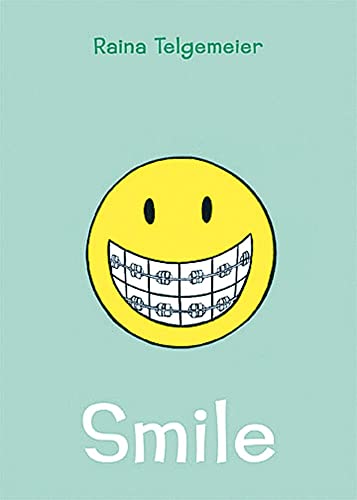
Smile
by Raina Telgemeier
Read the parent review →
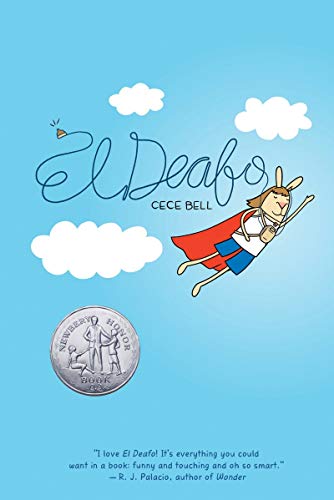
El Deafo
by Cece Bell
Read the parent review →
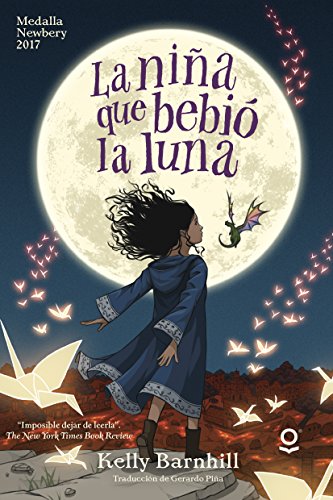
The Girl Who Drank the Moon
by Kelly Barnhill
Read the parent review →
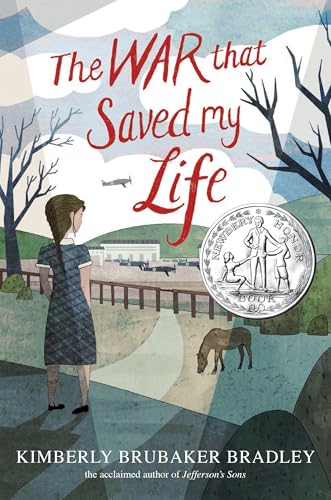
The War That Saved My Life
by Kimberly Brubaker Bradley
Read the parent review →
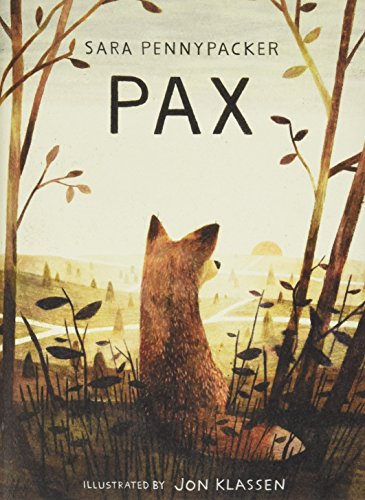
Pax
by Sara Pennypacker
Read the parent review →

A Wrinkle in Time
by Madeleine L'Engle
Read the parent review →
Keep exploring
6th Grade · Age 11
30 Best Books for 6th Graders (Parent-Approved Middle Grade 2026)
5th Grade · Age 10
30 Best Books for 5th Graders (Parent-Approved 2026)
Reluctant readers
Books for Reluctant Readers
Clean picks
Books Without Profanity
Advanced
Advanced Reader Books
Age 12 · Seventh Grade
30 Best Books for 12-Year-Olds — Middle Grade Parents Trust (2026)
Get new picks like these in your inbox
One short email a week — new reading lists, parent-vetted picks, and free guides.