5th Grade · Age 10
The Best Books for 5th Graders
5th grade is the last year of childhood reading. Give them books they'll remember. Reach for meaty middle grade — 300-500 pages, real stakes, heroes worth following. Save YA for later. **Parent Decision Box:** Fantasy? Harry Potter or Narnia. Adventure? Percy Jackson. Ideas? The Giver. Empathy? Wonder. **Why parents choose these books:** Every book here is 5th-grade approved by teachers and librarians nationwide.
51 parent-vetted picks
As an Amazon Associate I earn from qualifying purchases. Learn more


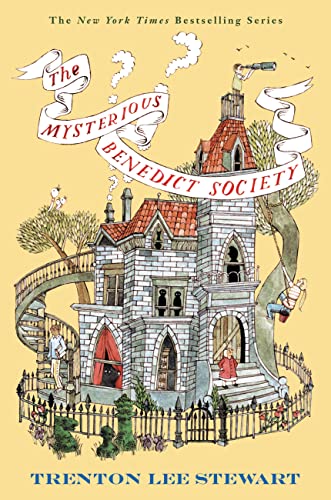
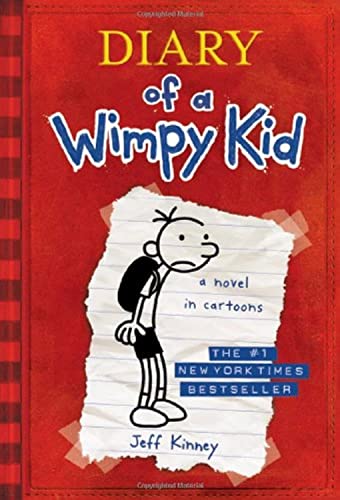

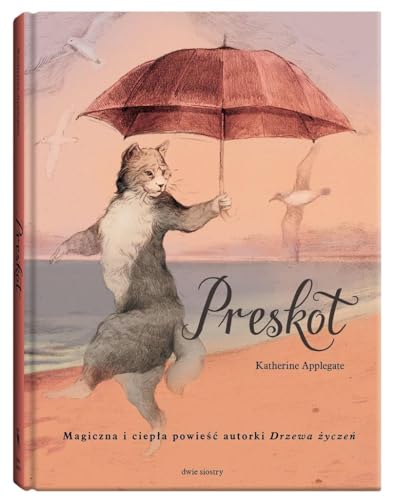

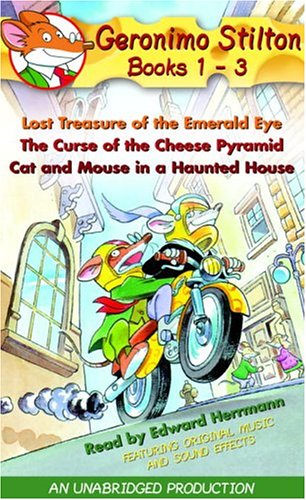

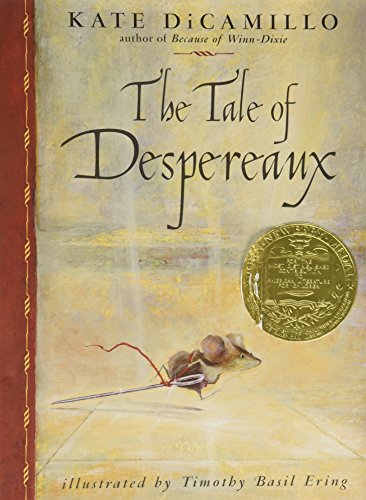
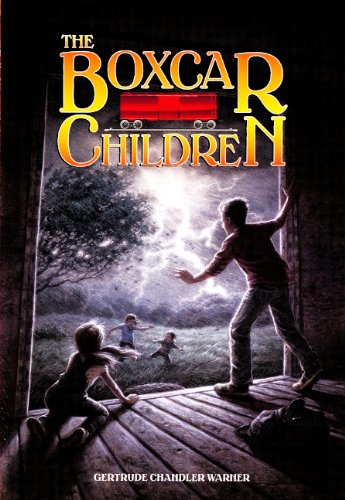
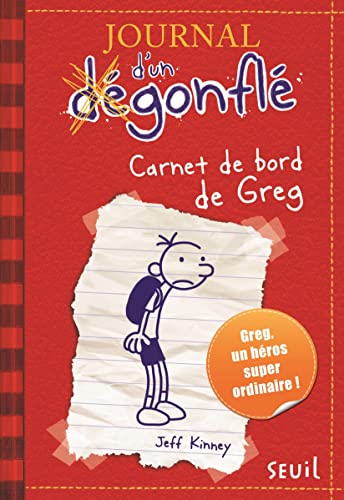

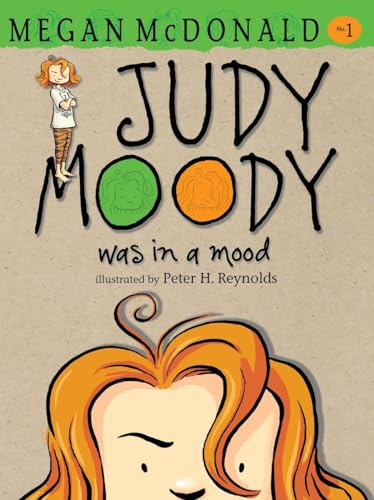
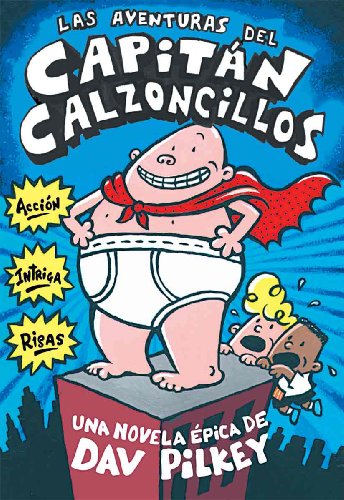

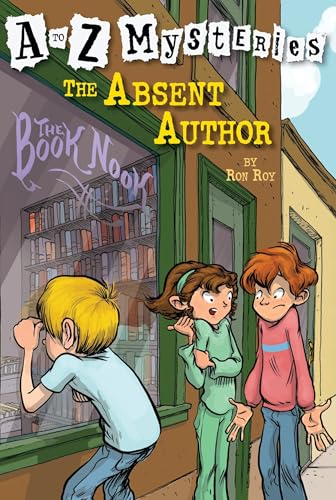
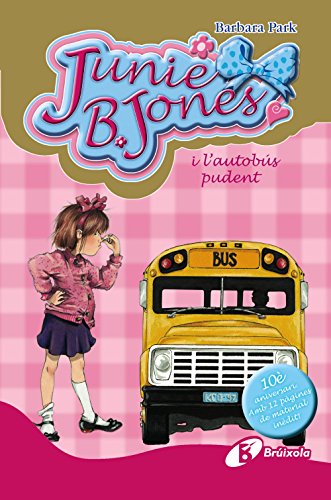


Top picks parents buy
Hand-picked books that fit this guide. Prices and availability are shown on Amazon.
5 min read · Updated October 10, 2026
The short answer
The best books for 5th graders bridge the gap between childhood tales and complex middle-grade novels. Ideal picks for 10-year-olds include emotionally resonant classics like Charlotte's Web, inspiring biographies like Wilma Unlimited, and sophisticated picture books like Each Kindness. These selections challenge their reading level while remaining age-appropriate and thematic for pre-teens.
Key takeaways
- Fifth grade is a transition year where readers move from simple plots to complex character arcs.
- Visual literacy remains important, making graphic novels and sophisticated picture books highly effective.
- Biographies of athletes and historical figures help reluctant readers stay engaged with real-world stories.
- Classic literature provides a shared cultural foundation and helps build a sophisticated vocabulary.
- Empathy-themed books are crucial at age 10 as social circles become more complex and challenging.
The Transition to Mature Middle Grade Literature
Fifth grade represents a unique crossroads in a child's reading journey. At age 10, most students have mastered the mechanics of decoding words and are now shifting toward reading for deep meaning. This is the year where we introduce meaty middle-grade novels that range from 300 to 500 pages. These books offer real stakes and heroes worth following, providing a bridge between the shorter chapter books of early elementary school and the more complex young adult themes they will encounter in high school. Parents often find that 5th graders are ready for stories that tackle justice, identity, and personal responsibility.
Choosing the right book for a 10-year-old requires balancing their increased cognitive ability with their emotional maturity. While they may be physically capable of reading YA novels, the themes in those books are often too mature for a pre-teen. Instead, look for titles that offer intellectual stimulation without crossing into adult content. Selections like The Trumpet of the Swan by E.B. White provide this balance perfectly. It offers a sophisticated narrative structure and beautiful prose that respects the reader's growing mind while maintaining a safe, age-appropriate environment for exploration and growth.
Building Empathy Through Complex Narratives
As social circles expand and friendships become more nuanced in 5th grade, books serve as a vital tool for developing empathy. This is an age where children begin to notice social hierarchies and the impact of their actions on others. Literature allows them to step into someone else's shoes in a low-risk environment. Books like Each Kindness by Jacqueline Woodson are transformative for this age group. Unlike many stories that offer a tidy, happy ending, this book leaves readers with a haunting lesson about missed opportunities for kindness, sparking deep classroom or dinner-table discussions.
In addition to fiction, specialized titles like My Secret Bully by Trudy Ludwig address the subtle complexities of relational aggression. These books help 10-year-olds name their experiences and develop strategies for healthy friendships. Even at this age, sophisticated picture books remain relevant. The Lady in the Box by Ann McGovern, for instance, introduces the reality of homelessness through a gentle but honest lens. By reading these diverse perspectives, 5th graders build the emotional intelligence necessary to navigate the often-turbulent waters of middle school social life.
The Power of Biographies and Real-Life Heroes
For many 5th graders, non-fiction is the gateway to a lifelong love of reading. Ten-year-olds are often fascinated by the lives of real people who overcame significant odds. Biographies provide a sense of perspective and inspiration that fiction sometimes lacks. Matt Tavares’s works, such as Becoming Babe Ruth and Growing Up Pedro, are excellent examples of how to combine stunning visuals with compelling historical narratives. These books don’t just list facts; they tell a story of perseverance and grit that resonates with young athletes and dreamers alike.
Historical biographies also play a crucial role in the 5th-grade curriculum. The Story of Ruby Bridges by Robert Coles and Wilma Unlimited by Kathleen Krull introduce students to the Civil Rights Movement and the history of the Olympics through the eyes of courageous individuals. These books are often between 32 and 48 pages long, making them accessible for a single sitting while providing enough depth to fuel an entire week of discussion. They serve as a reminder that history is made by people who, like the readers themselves, had to find their own voices.
Graphic Novels and Visual Literacy for 10-Year-Olds
It is a common misconception that 5th graders should grow out of books with pictures. In reality, visual literacy is a critical skill in the modern world. Graphic novels like The Complete Chi's Sweet Home by Kanata Konami offer complex pacing and emotional nuance through art. For reluctant readers, the visual cues in a graphic novel provide the necessary scaffolding to understand high-level vocabulary and intricate plots. Even for advanced readers, the medium offers a different kind of cognitive challenge that traditional text-only novels do not provide.
Graphic novels also help bridge the gap for children who might feel overwhelmed by dense blocks of text. The 5th-grade year can be academically demanding, and sometimes a student just needs a book that feels accessible and fun. By validating graphic novels as "real reading," parents and teachers can keep kids engaged with books during a year when many children start to lose interest in reading for pleasure. These titles often lead to higher comprehension scores because the reader is fully immersed in the visual and textual storytelling simultaneously.
Timeless Classics for the 5th Grade Shelf
While new titles are published every year, the classics remain staples of the 5th-grade experience for a reason. E.B. White’s Charlotte's Web is perhaps the most iconic example, offering a masterclass in tone, friendship, and the cycle of life. These books have stood the test of time because their themes are universal. Reading these classics helps children connect with previous generations and builds a foundation for the literary allusions they will encounter in later years. The rich, descriptive language in these older titles often pushes a child's vocabulary more than contemporary fiction might.
Other classics like Where the Sidewalk Ends by Shel Silverstein provide a necessary dose of humor and whimsy. Poetry is often overlooked in 5th grade, but Silverstein’s work shows 10-year-olds that language can be playful and rebellious. Similarly, Miss Rumphius by Barbara Cooney teaches the importance of leaving the world more beautiful than you found it. These stories settle into a child's heart and stay there long after the book is closed. They provide a moral and aesthetic compass that helps guide them through their final year of elementary school.
Spiritual and Reflective Reading for Pre-Teens
As 5th graders begin to ask deeper questions about their place in the world, reflective and spiritual literature can offer comfort and guidance. Thoughts to Make Your Heart Sing by Sally Lloyd-Jones is a standout in this category, providing short, profound meditations that are perfectly suited for the 10-year-old mind. These readings don't talk down to children; instead, they acknowledge the big feelings and big questions that naturally arise during the transition to adolescence. This type of reading encourages a habit of daily reflection and mindfulness.
Books that explore legacy and memory also resonate deeply at this age. The Hundred Penny Box by Sharon Bell Mathis is a beautiful exploration of the bond between a young boy and his elderly great-great-aunt. It introduces themes of aging, family history, and the passing of time in a way that is both poignant and accessible. By engaging with these reflective stories, 5th graders learn to appreciate the wisdom of their elders and the importance of their own burgeoning life stories. It’s about building a sense of self within the context of a larger family or community history.
Ready to buy?
Grab these picks on Amazon — we may earn a small commission at no extra cost to you.
Get our monthly book picks
One email a month with the best clean books for your kids' ages. No spam — unsubscribe anytime.
Frequently asked
How long should a 5th grader read each day?+
Typically, 5th graders should read for 30 minutes daily to build stamina for middle school assignments.
What is the average reading level for a 10-year-old?+
Look for Lexile levels between 740L and 1010L, which generally align with 10-year-old cognitive abilities.
Are graphic novels okay for 5th grade reading?+
Yes, graphic novels like The Complete Chi's Sweet Home provide complex visual storytelling that aids comprehension.
What are good books for teaching empathy to 10-year-olds?+
Wonder, Each Kindness, and My Secret Bully are excellent choices for discussing social dynamics and empathy.
How do I get my 5th grader to read more non-fiction?+
Non-fiction biographies like Growing Up Pedro or Becoming Babe Ruth often engage kids who prefer facts over fiction.
What are the best classic books for 5th graders?+
The Trumpet of the Swan and Charlotte's Web are timeless choices that bridge the emotional gap for this age.
Books to explore next
Hand-picked reads that fit this topic — tap through for the full parent review.

Sarah, Plain and Tall
by Patricia MacLachlan
Read the parent review →
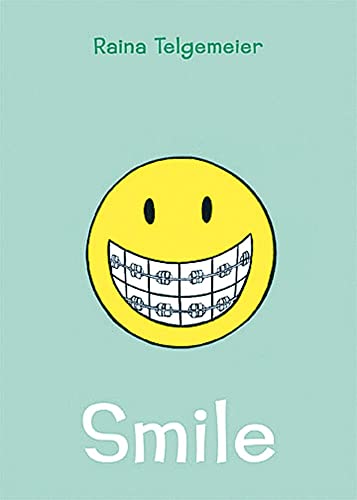
Smile
by Raina Telgemeier
Read the parent review →
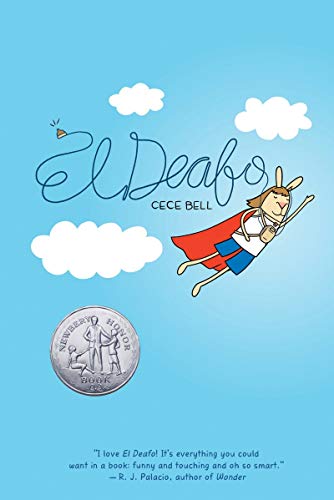
El Deafo
by Cece Bell
Read the parent review →
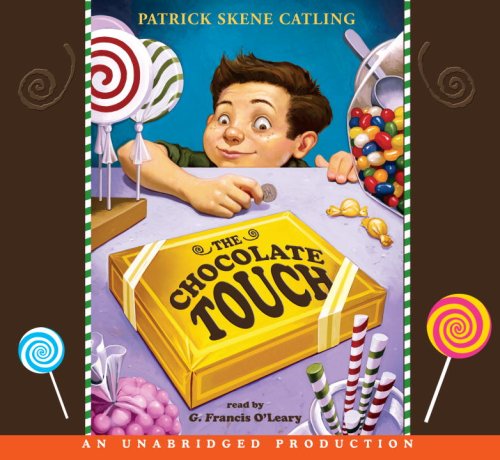
The Chocolate Touch
by Patrick Skene Catling
Read the parent review →

Dog Man
by Dav Pilkey
Read the parent review →
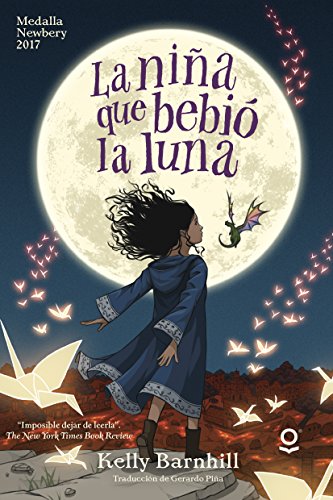
The Girl Who Drank the Moon
by Kelly Barnhill
Read the parent review →
Keep exploring
6th Grade · Age 11
30 Best Books for 6th Graders (Parent-Approved Middle Grade 2026)
3rd Grade · Age 8
30 Best Books for 3rd Graders (Parent-Approved 2026)
Age 12 · Seventh Grade
30 Best Books for 12-Year-Olds — Middle Grade Parents Trust (2026)
4th Grade · Age 9
30 Best Books for 4th Graders (Parent-Approved 2026)
Newbery Winners · Ages 8–12
20 Best Newbery Award Books for Kids (Parent-Approved 2026)
Age 10 · Girls
Best Books for 10 Year Old Girls
Get new picks like these in your inbox
One short email a week — new reading lists, parent-vetted picks, and free guides.