3rd Grade · Age 8
The Best Books for 3rd Graders
Third grade is the year kids become readers — or don't. The right book at 8 changes everything. Look for chapter books with 100-200 pages, short chapters, occasional illustrations, and characters your child can imitate in a good way. **Parent Decision Box:** Reading-loving 3rd grader? Charlotte's Web. Reluctant reader? Frindle or Mr. Popper's. Wants a girl hero? Ramona. **Why parents choose these books:** Every book here is a book teachers still read aloud in 3rd grade — because they still work.
100 parent-vetted picks
As an Amazon Associate I earn from qualifying purchases. Learn more







Top picks parents buy
Hand-picked books that fit this guide. Prices and availability are shown on Amazon.
6 min read · Updated October 9, 2026
The short answer
The best books for 3rd graders bridge the gap between early readers and complex middle-grade novels. Ideal choices for 8-year-olds include transition chapter books with 100 to 200 pages, series that build familiarity, and sophisticated picture books that tackle themes of integrity, perseverance, and social-emotional growth during this pivotal reading year.
Key takeaways
- Third grade marks the transition from learning to read to reading to learn.
- Chapter books for this age should typically range from 5,000 to 15,000 words.
- Graphic novels are a valid and helpful tool for building reading stamina in 8-year-olds.
- Social-emotional themes like honesty and kindness are highly relevant to the 3rd-grade social experience.
- Series books are powerful because they provide a predictable structure that builds confidence.
The Magic of the Transition Year: Why 3rd Grade Reading Matters
Third grade is often described by educators as the most critical year in a child's academic journey. It is the year where the focus shifts from decoding sounds and simple sentences to "reading to learn." At age 8, children are beginning to handle more complex plots and develop a deeper sense of empathy for characters. The right book selection during this time can cement a lifelong love of literature, while the wrong one can lead to frustration and a sense of defeat. Finding books that hit the "Goldilocks zone"—not too easy, but not overwhelmingly hard—is the primary goal for parents and teachers.
For most 3rd graders, the ideal book is a transitional chapter book. These books usually feature larger font sizes, generous line spacing, and illustrations every few pages to provide a mental break. However, the vocabulary is more sophisticated than what they saw in 1st or 2nd grade. We look for stories that mirror the social complexities of the playground. At 8 years old, kids are navigating shifting friendships, the pressure of schoolwork, and the realization that the world is a big, diverse place. Books like Be Kind by Pat Zietlow Miller perfectly capture these emerging social-emotional needs.
Building Character and Integrity Through Narrative
As children grow into their independent personalities, books become a safe space to explore moral dilemmas. Many 3rd grade favorites focus on the concept of truth and the consequences of our choices. For example, A Big Fat Enormous Lie by Marjorie Weinman Sharmat uses a physical manifestation of a lie to show how dishonesty can grow and weigh a person down. Similarly, Sam Tells Stories by Thierry Robberecht explores the temptation to exaggerate to gain social standing. These books are invaluable because they allow parents to discuss heavy topics like honesty without being overly preachy.
Integrity is another major theme in the 3rd-grade curriculum. The Empty Pot by Demi is a perennial favorite in classrooms for this reason. It tells the story of a boy who is honest about his failure, only to be rewarded for his courage. By reading these stories, 8-year-olds learn that their character defines them more than their achievements. When choosing books for this age, look for protagonists who face a choice between what is easy and what is right. These narratives help children build a personal moral compass as they venture further away from constant parental supervision.
Engagement Strategies for Reluctant Readers
Not every 8-year-old is eager to dive into a 200-page novel. For reluctant readers, the barrier is often the sheer volume of text on a page. This is where books like The Book with No Pictures by B.J. Novak come in. It turns the traditional reading experience on its head by forcing the adult reader to say ridiculous things, which makes the child associate books with laughter and power. Humorous books are often the "gateway drug" to a steady reading habit. If a child is laughing, their brain is relaxed and ready to process language more effectively.
Visual storytelling is also a key component for kids who struggle with text-heavy pages. The Most Magnificent Thing by Ashley Spires is a wonderful example of a book that uses illustrations to help convey the frustration of the creative process and the importance of perseverance. For these readers, graphic novels and highly illustrated chapter books are not "cheating." They are essential tools for building the stamina needed to eventually tackle unillustrated novels. The goal is to keep them engaged so they don't give up on reading altogether during this high-stakes year.
Classics and Modern Favorites for the 3rd Grade Shelf
While new books are published every day, certain classics remain staples of the 3rd-grade experience. Oh, the Places You'll Go! by Dr. Seuss continues to be a go-to for inspiring children to face the ups and downs of life with resilience. Its rhythmic prose and whimsical illustrations make it accessible, yet its message is sophisticated enough for an 8-year-old to ponder. Similarly, The Little Island by Margaret Wise Brown offers a more contemplative, lyrical experience that can help develop a child's appreciation for descriptive language and nature.
Modern classics like We Found a Hat by Jon Klassen offer a different kind of engagement through minimalism and dry humor. These books often require 3rd graders to "read between the lines" and interpret what characters are thinking based on subtle visual cues. This type of inference is a higher-level reading skill that is heavily emphasized in 3rd-grade standardized testing and general literacy development. By mixing older, rhythmic classics with modern, nuanced stories, you provide a well-rounded literary diet for your growing reader.
Developing Persistence and a Growth Mindset
Third grade is often when schoolwork gets noticeably harder, and many children begin to doubt their abilities. Books that feature characters struggling and failing are vital. The Can-Do Duck by Ducks in a Row is specifically designed to encourage a positive attitude and the belief that effort leads to success. When children read about The Most Magnificent Thing and see the protagonist get angry and quit before coming back to try again, they realize that frustration is a normal part of learning. This normalizes the "struggle" that many 8-year-olds feel in the classroom.
Perseverance isn't just about schoolwork; it's about life's bigger hurdles. The Relatives Came by Cynthia Rylant shows the joy of long-term effort and the reward of waiting for something special. It emphasizes the importance of family and the work that goes into maintaining long-distance relationships. By exposing 3rd graders to a variety of characters who face different kinds of challenges—whether it's building a machine, telling the truth, or waiting for a visit—we help them build the mental toughness they need for the years of schooling ahead.
Ready to buy?
Grab these picks on Amazon — we may earn a small commission at no extra cost to you.
Get our monthly book picks
One email a month with the best clean books for your kids' ages. No spam — unsubscribe anytime.
Frequently asked
What length of book is best for a 3rd grader?+
Look for chapter books with 100 to 200 pages, short chapters, and occasional illustrations to help maintain focus.
Should my 3rd grader still read picture books?+
Yes, 8-year-olds still benefit from complex picture books like The Empty Pot or A Chair for My Mother to build visual literacy and empathy.
How do I know if a book is too hard for my 8-year-old?+
Choose a book, read a page, and if they struggle with more than five words, it is likely too difficult for independent reading.
What are the best books for 3rd graders who hate reading?+
Series like The Bad Guys or Dog Man are excellent for reluctant readers because they use humor and visual cues to keep kids turning pages.
How fast should a 3rd grader be reading?+
Most 3rd graders read between 90 and 120 words per minute by the end of the school year, though comprehension is more important than speed.
What if my child only wants to read non-fiction?+
Non-fiction books about animals, space, or history are often the best hook for children who find fictional stories less engaging.
Books to explore next
Hand-picked reads that fit this topic — tap through for the full parent review.

Sarah, Plain and Tall
by Patricia MacLachlan
Read the parent review →
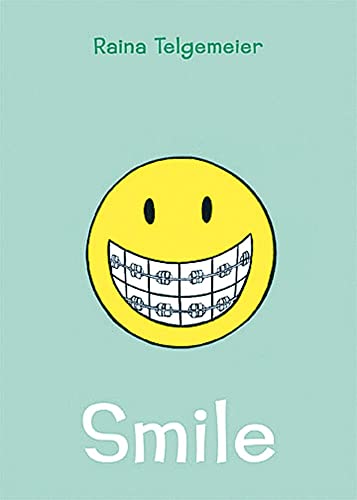
Smile
by Raina Telgemeier
Read the parent review →
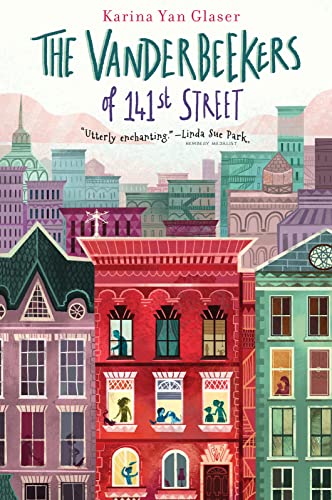
The Vanderbeekers of 141st Street
by Karina Yan Glaser
Read the parent review →
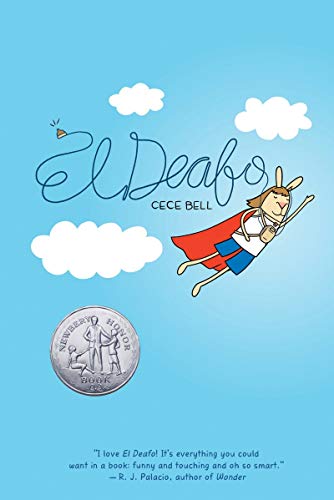
El Deafo
by Cece Bell
Read the parent review →
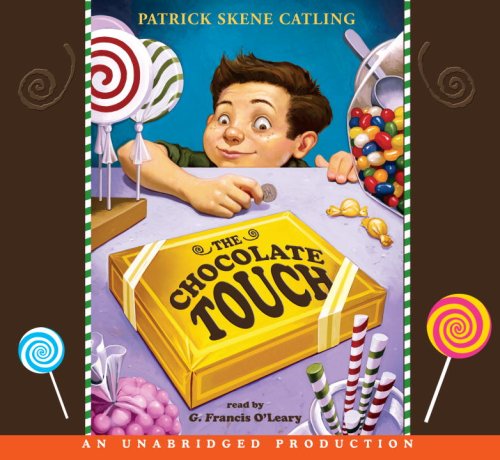
The Chocolate Touch
by Patrick Skene Catling
Read the parent review →

Dog Man
by Dav Pilkey
Read the parent review →
Keep exploring
5th Grade · Age 10
30 Best Books for 5th Graders (Parent-Approved 2026)
Reluctant readers
Books for Reluctant Readers
Clean picks
Books Without Profanity
4th Grade · Age 9
30 Best Books for 4th Graders (Parent-Approved 2026)
Age 10 · Girls
Best Books for 10 Year Old Girls
Age 8 · Boys
Best Books for 8 Year Old Boys
Get new picks like these in your inbox
One short email a week — new reading lists, parent-vetted picks, and free guides.
Social-Emotional Growth and Empathy in 8-Year-Olds Africa
The social world of a 3rd grader is often a whirlwind of new dynamics. They are moving away from parallel play and into complex group identities. Books like Stand Tall, Molly Lou Melon and Sheila Rae, the Brave are excellent tools for building self-confidence in the face of peer pressure or bullying. These stories encourage children to embrace their quirks and find internal strength. In Sheila Rae, the Brave, we see how even the most confident child can feel vulnerable, and how siblings can support one another in moments of fear.
Empathy is also a skill that requires practice, and literature is the best gym for the heart. Have You Filled a Bucket Today? by Carol McCloud is a staple for teaching kids about the impact of their words and actions on others. It provides a concrete metaphor that 8-year-olds can easily grasp and apply to their daily lives. Similarly, A Chair for My Mother by Vera B. Williams introduces themes of community support and working together toward a goal after a tragedy. These books help 3rd graders look beyond their own needs and recognize the feelings of the people around them.
The Power of Kindness and Community
Books like Horton Hears a Who! by Dr. Seuss teach the legendary lesson that "a person's a person, no matter how small." This reinforces the 3rd-grade concept of standing up for others who may not have a voice. Be Kind is another essential that breaks down kindness into actionable, small steps that a child can actually perform at school.