Ages 5–7 · Kindergarten to 1st Grade
Best Picture Books & Early Readers for Ages 5–7
Ages 5–7 is the sweet spot where picture books still enchant and early readers start to click. The best books at this age are funny, emotionally honest, and short enough to finish in one sitting — from Elephant & Piggie to Frog and Toad. These are the read-alouds parents keep on the nightstand and the first books kids proudly read on their own.
44 parent-vetted picks
As an Amazon Associate I earn from qualifying purchases. Learn more

- Spice: None
- Age fit: Perfect fit
- Warnings: None

- Spice: None
- Age fit: Perfect fit
- Warnings: None

- Spice: None
- Age fit: Best 3–5
- Warnings: None

- Spice: None
- Age fit: Best 3–5
- Warnings: None

- Spice: None
- Age fit: Perfect fit
- Warnings: None

- Spice: None
- Age fit: Perfect fit
- Warnings: None

- Spice: None
- Age fit: Perfect fit
- Warnings: None

- Spice: None
- Age fit: Best 3–5
- Warnings: None

- Spice: None
- Age fit: Best 3–5
- Warnings: None

- Spice: None
- Age fit: Best 3–5
- Warnings: None

- Spice: None
- Age fit: Perfect fit
- Warnings: None

- Spice: None
- Age fit: Best 3–5
- Warnings: None


- Spice: None
- Age fit: Best 3–5
- Warnings: None

- Spice: None
- Age fit: Perfect fit
- Warnings: None

- Spice: None
- Age fit: Perfect fit
- Warnings: None

- Spice: None
- Age fit: Best 3–6
- Warnings: None

- Spice: None
- Age fit: Perfect fit
- Warnings: None

- Spice: None
- Age fit: Perfect fit
- Warnings: None


- Spice: None
- Age fit: Perfect fit
- Warnings: None
- Spice: None
- Age fit: Perfect fit
- Warnings: None
- Spice: None
- Age fit: Best 3–5
- Warnings: None

- Spice: None
- Age fit: Perfect fit
- Warnings: None

- Spice: None
- Age fit: Perfect fit
- Warnings: None


- Spice: None
- Age fit: Best 3–6
- Warnings: None

- Spice: None
- Age fit: Best 2–5
- Warnings: None


- Spice: None
- Age fit: Perfect fit
- Warnings: None
- Spice: None
- Age fit: Best 3–6
- Warnings: None


- Spice: None
- Age fit: Best 2–5
- Warnings: None

- Spice: None
- Age fit: Best 2–5
- Warnings: None


- Spice: None
- Age fit: Best 3–6
- Warnings: None

- Spice: None
- Age fit: Best 3–6
- Warnings: None

- Spice: None
- Age fit: Best 0–5
- Warnings: None

- Spice: None
- Age fit: Best 2–5
- Warnings: None

Top picks parents buy
Hand-picked books that fit this guide. Prices and availability are shown on Amazon.
6 min read · Updated October 9, 2026
The short answer
The best books for ages 5–7 balance engaging illustrations with simple, repetitive text to build confidence. Focus on humorous character-driven stories like Elephant & Piggie, classic friendships like Frog and Toad, and interactive picture books that encourage participation. These titles bridge the gap between being read to and reading independently.
Key takeaways
- Focus on 'Level 1' and 'Level 2' early readers that use high-frequency sight words.
- Use interactive picture books to maintain engagement during the transition to independent reading.
- Series books are highly effective for building confidence through familiar vocabulary and characters.
- Humor is a primary motivator for children in the 5–7 age bracket.
- Don't rush into chapter books; the visual support in picture books is still developmentally necessary.
Interactive Books that Build Engagement
At age 5, many children still have high energy and short attention spans. Interactive books are the perfect tool to keep them pinned to the story. Books like Press Here by Hervé Tullet or Don't Push the Button! by Bill Cotter turn the act of reading into a game. These books require the child to tap, shake, or tilt the book, which physically involves them in the narrative. This tactile experience helps children associate books with fun rather than a classroom chore.
Another masterpiece in this category is The Monster at the End of This Book starring Grover. It uses meta-commentary to speak directly to the reader, creating a sense of urgency and excitement. When a child feels they have a 'job' to do while reading—like turning a page despite a monster’s warnings—they become more invested in the outcome. These books are particularly effective for reluctant readers who might otherwise struggle to sit still for a traditional story.
Building Confidence with Early Reader Series
Once a child begins to recognize sight words, series books become their best friends. The 'Early Reader' or 'I Can Read' categories are specifically leveled to match a child's developing skills. The beauty of a series is the repetition of vocabulary. When a child reads one Frog and Toad story, they become familiar with the names and the way the characters speak. This familiarity reduces the cognitive load when they start the second book, allowing them to focus on new words.
Classic choices like Go, Dog. Go! by P.D. Eastman utilize limited vocabulary and rhyme to create a rhythm that helps children predict what comes next. Predictability is not boring at this age; it is empowering. When a 6-year-old correctly guesses the next word in a sentence, their confidence soars. This is the stage where the 'click' happens—the moment they realize they aren't just memorizing a story, but actually decoding it. Many of these books are available in affordable paperback editions ranging from $4.99 to $6.99, making them easy to collect.
Humor as a Hook for Young Readers
If you want a 7-year-old to keep reading, make them laugh. Humor is one of the strongest motivators for early readers. The No, David! series by David Shannon is a perennial favorite because it taps into the boundary-pushing nature of childhood. The minimal text and expressive, slightly chaotic illustrations mirror the energy of a typical first grader. Seeing a character get into trouble is relatable and hilarious, which keeps the pages turning.
Similarly, books that play with irony or 'secret' knowledge—where the reader knows something the character doesn't—are highly effective. Mo Willems’ Elephant & Piggie series is the gold standard here. The dialogue is written in speech bubbles, which mimics the format of graphic novels and makes the text feel less formal. The humor is sophisticated enough for parents to enjoy but accessible enough for a 5-year-old to understand the punchline. This shared laughter creates a positive emotional association with reading time.
Mastering Rhythms and Rhymes
Phonemic awareness is the ability to hear and work with the individual sounds in spoken words. Books that utilize heavy rhyme and rhythm, such as Chicka Chicka Boom Boom by Bill Martin Jr. or Sheep in a Jeep by Nancy E. Shaw, are essential tools for this. The 'bouncy' nature of the text makes the sounds of the English language more obvious. When children hear 'sheep,' 'jeep,' and 'steep,' they are learning how word families function.
The Napping House by Audrey Wood is another excellent example of cumulative storytelling, where each page adds a new layer to the rhyme. This repetition helps with memory and sequencing. For a 5-year-old, being able to recite parts of the book along with the parent provides a sense of mastery. It bridges the gap between 'listening' and 'reading along,' which is a vital stepping stone toward independent literacy. These books often feature 32 to 40 pages, which is the industry standard for a full-length picture book.
Classic Stories for Emotional Growth
While modern books are flashy and fun, classic stories like Corduroy by Don Freeman or The Little Engine That Could by Watty Piper offer a slower pace that allows for emotional reflection. These stories often deal with themes of perseverance, kindness, and belonging. For a 6-year-old navigating the social complexities of kindergarten or first grade, seeing a bear like Corduroy find a home or an engine overcome a steep hill provides important social-emotional scaffolding.
Even wordless or near-wordless books like Good Dog, Carl by Alexandra Day serve a purpose. They allow the child to 'read' the pictures and tell the story in their own words. This builds narrative skills—the ability to understand beginning, middle, and end—without the stress of decoding letters. When children reach age 7, they can look back at these familiar favorites with a new perspective, often reading the few words present with ease while still appreciating the art that comforted them when they were younger.
Choosing the Right Book for Your Child's Level house
Not every 5-year-old is at the same level, and that is perfectly normal. Some children may still prefer the simple labels in Dear Zoo, while others might be ready for the more abstract concepts in Not a Box or the gentle mystery of Kitten's First Full Moon. The key is to follow the child’s lead. If they are reaching for a book they’ve read a hundred times, let them. Re-reading builds fluency and comfort. Only introduce more complex texts when they seem bored or are looking for a new challenge.
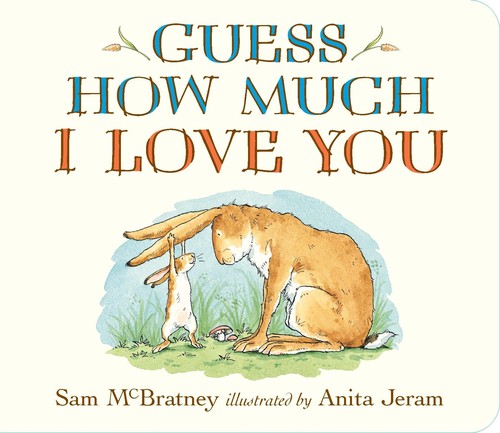
For parents of 7-year-olds who are ready to move beyond the simplest readers, look for books with more dialogue and slightly smaller font sizes. However, always keep a few 'easy' wins in the rotation. Reading should not always be a workout; sometimes it should just be a joy. By keeping a variety of books—from the silly antics of Don't Push the Button! to the heartfelt sentiment of Guess How Much I Love You—you ensure that your home library supports every mood and every stage of their development.
Reading gear parents love
Bigger helpers that make reading easier and more fun. Prices change — check today's price on Amazon.
Kindle Kids
$110-$140 · Ages 6–7 who are starting to read independently
Adjustable text size helps early readers find a comfortable reading setup. Best for text-led early readers rather than picture books that depend on color.
See it on AmazonAmazon Fire HD 10 Kids
$150-$200 · Ages 5–7 enjoying illustrated ebooks with a parent
The large color screen gives picture-book illustrations room to shine. Parental controls help families keep reading time separate from other tablet activities.
See it on AmazonYoto Player
$100-$130 · Ages 5–7 listening at bedtime or during quiet time
Screen-free stories build vocabulary and let children enjoy books beyond their independent reading level. Pair an audio story with its matching print book for shared listening and reading.
See it on AmazonKidKraft Sling Bookshelf
$50-$90 · Ages 5–7 choosing their own picture books and early readers
Front-facing storage makes covers easy to spot, so children can find favorites without reading spine titles. Keeping books within reach encourages independent browsing.
See it on Amazon
Ready to buy?
Grab these picks on Amazon — we may earn a small commission at no extra cost to you.
Get our monthly book picks
One email a month with the best clean books for your kids' ages. No spam — unsubscribe anytime.
Frequently asked
How do I know if a book is at my child's reading level?+
Look for 'Level 1' readers with large font, repetitive sentence structures, and clear picture-to-text correspondence.
How long should a 6-year-old read each day?+
Ideally, aim for 15 to 20 minutes of shared or independent reading daily to build stamina and habit.
Should I still read picture books to a child who can read?+
Yes, picture books remain vital for visual literacy and emotional development even after a child starts reading words.
Are graphic novels good for early readers?+
Graphic novels are excellent for this age because the illustrations provide context clues that help decode the story.
What are the best books for reluctant readers in first grade?+
Start with funny books or series with recurring characters, as the familiarity reduces the intimidation factor of new text.
How can I encourage my 5-year-old to enjoy reading?+
Read aloud together, take turns reading sentences, and always keep books accessible in play areas and bedrooms.
Books to explore next
Hand-picked reads that fit this topic — tap through for the full parent review.

The Paper Bag Princess
by Robert Munsch
Read the parent review →

Where the Sidewalk Ends
by Shel Silverstein
Read the parent review →

The Little Engine That Could
by Watty Piper
Read the parent review →

Elephant & Piggie: We Are in a Book!
by Mo Willems
Read the parent review →

Oh, the Places You'll Go!
by Dr. Seuss
Read the parent review →

Chrysanthemum
by Kevin Henkes
Read the parent review →
Keep exploring
Character
Books About Kindness
Classics · All Ages
30 Classic Children's Books Every Child Should Read (2026)
Ages 0–4 · Picture Books
Best Picture Books for Ages 0–4 (Parent-Approved 2026)
Mental health
Books About Anxiety
3rd Grade · Age 8
30 Best Books for 3rd Graders (Parent-Approved 2026)
Age 8 · Boys
Best Books for 8 Year Old Boys
Get new picks like these in your inbox
One short email a week — new reading lists, parent-vetted picks, and free guides.