
Ages 0–4 · Picture Books
Best Picture Books for Ages 0–4
The best picture books for babies, toddlers, and preschoolers do two things at once: they make kids laugh out loud and they teach the tiny social lessons — sharing, patience, missing a favorite toy — that show up every day at this age. These are the read-aloud picks parents come back to night after night, from Mo Willems' Elephant & Piggie to the Knuffle Bunny series.
85 parent-vetted picks
As an Amazon Associate I earn from qualifying purchases. Learn more

- Spice: None
- Age fit: Perfect fit
- Warnings: None

- Spice: None
- Age fit: Best 2–5
- Warnings: None


- Spice: None
- Age fit: Best 4–7
- Warnings: None


- Spice: None
- Age fit: Best 2–5
- Warnings: None


- Spice: None
- Age fit: Best 2–5
- Warnings: None


- Spice: None
- Age fit: Best 3–6
- Warnings: None

- Spice: None
- Age fit: Best 3–6
- Warnings: None


- Spice: None
- Age fit: Perfect fit
- Warnings: None
- Spice: None
- Age fit: Perfect fit
- Warnings: None

- Spice: None
- Age fit: Best 3–6
- Warnings: None

- Spice: None
- Age fit: Best 3–6
- Warnings: None
- Spice: None
- Age fit: Perfect fit
- Warnings: None

- Spice: None
- Age fit: Best 2–5
- Warnings: None

- Spice: None
- Age fit: Perfect fit
- Warnings: None

- Spice: None
- Age fit: Perfect fit
- Warnings: None


- Spice: None
- Age fit: Best 4–7
- Warnings: None


- Spice: None
- Age fit: Best 2–6
- Warnings: None

- Spice: None
- Age fit: Best 4–8
- Warnings: Mild language


- Spice: None
- Age fit: Best 4–8
- Warnings: None

- Spice: None
- Age fit: Best 4–8
- Warnings: None

- Spice: None
- Age fit: Best 4–7
- Warnings: None
- Spice: None
- Age fit: Best 3–7
- Warnings: None


- Spice: None
- Age fit: Best 4–7
- Warnings: Parent caution

- Spice: None
- Age fit: Best 4–8
- Warnings: Parent caution
- Spice: None
- Age fit: Best 4–8
- Warnings: None
- Spice: None
- Age fit: Best 4–7
- Warnings: None

- Spice: None
- Age fit: Best 3–7
- Warnings: None


- Spice: None
- Age fit: Best 3–7
- Warnings: None


- Spice: None
- Age fit: Best 2–6
- Warnings: None

- Spice: None
- Age fit: Best 4–7
- Warnings: None
Top picks parents buy
Hand-picked books that fit this guide. Prices and availability are shown on Amazon.
6 min read · Updated October 10, 2026
The short answer
The best picture books for ages 0–4 focus on high-contrast visuals, rhythmic rhyming, and interactive elements. Top picks include The Very Hungry Caterpillar for teaching days of the week, Goodnight Moon for bedtime routines, and Brown Bear, Brown Bear, What Do You See? for early color and animal recognition through repetitive patterns.
Key takeaways
- Choose board books for children under age two to ensure durability against chewing and tearing.
- Prioritize books with strong rhythmic patterns and rhymes to support phonological awareness.
- Use interactive 'lift-the-flap' or 'touch-and-feel' books to engage sensory-seeking toddlers.
- Select bedtime stories with calming, repetitive language to establish a peaceful sleep routine.
- Focus on books that mirror daily life experiences like sharing, sleeping, and eating to build social-emotional skills.
The Importance of Sensory and Tactile Experiences for Infants
For babies aged 0 to 12 months, reading is a multisensory experience rather than a purely linguistic one. During this stage, infants are developing their vision and fine motor skills. Books like Pat the Bunny by Dorothy Kunhardt are legendary because they offer textures—scratchy sandpaper or soft fur—that bridge the gap between playing and reading. At this age, a book is often something to be tasted, patted, and dropped, so the physical construction of the book is just as important as the content inside. Thick board books are the gold standard for this developmental window.
High-contrast visuals are another critical factor for the youngest readers. Newborns see the world in shades of gray and blurriness, making bold black-and-white patterns easier to track. As they grow toward six months, they begin to appreciate the bright, primary colors found in classics like Brown Bear, Brown Bear, What Do You See? by Bill Martin Jr. and Eric Carle. These books use simple, large-scale illustrations that don't overwhelm the developing brain, allowing the child to focus on one animal or object at a time while the parent narrates the scene.
Building Language Through Rhythmic Repetition and Rhyme
Toddlers between 12 and 24 months are in a period of rapid language explosion. They are moving from single words to short phrases, and rhythmic books act as a scaffolding for this growth. Sandra Boynton is a master of this craft. Her books, such as Moo, Baa, La La La! and But Not the Hippopotamus, use bouncy, predictable cadences that practically beg a child to fill in the blanks. When a parent pauses before the final word of a rhyming couplet, it encourages the toddler to vocalize the answer, building their confidence in speech.
Repetition is not just a stylistic choice; it is a neurological tool. A book like Ten Little Fingers and Ten Little Toes by Mem Fox uses a recurring refrain that centers the child’s attention. By hearing the same sounds and phrases night after night, children begin to understand the structure of language. This predictability provides a sense of security and mastery. As they learn the rhythm, they start to memorize the story, which is the very first step toward 'emergent literacy'—the phase where a child realizes that those black marks on the page represent specific, spoken words.
Classic Bedtime Stories for Establishing Routines
The transition from playtime to sleep is one of the biggest daily hurdles for parents of children aged 0 to 4. Picture books serve as the perfect 'bridge' to sleep. Goodnight Moon by Margaret Wise Brown has remained a staple since 1947 because of its hypnotic, slowing pace. The story systematically says goodnight to everything in the room, creating a ritualized 'winding down' of the environment. For a two-year-old who might be struggling with the fear of missing out, this gradual darkening of the room through illustrations helps signal that the day is truly over.
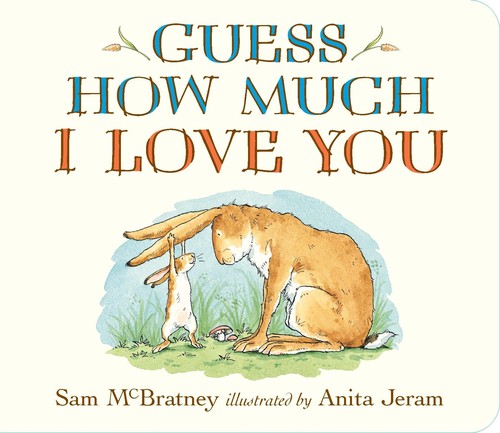
Similarly, Time for Bed by Mem Fox and Big Red Barn by Margaret Wise Brown use the natural world to mirror the child’s experience. Showing animals tucking in for the night helps normalize the concept of rest. These books typically feature hushed tones and soft, painterly illustrations rather than the neon colors found in daytime playbooks. For parents, reading Sam McBratney’s Guess How Much I Love You provides an emotional anchor at the end of a long day, reinforcing the bond of safety and unconditional love that is vital for a child’s emotional regulation during the night.
Interactive Books for Active Learners and Curious Minds
Once a child reaches the age of two or three, their curiosity often outpaces their ability to sit still. This is where interactive picture books shine. Where’s Spot? by Eric Hill introduced the 'lift-the-flap' concept to millions, and it remains effective because it turns reading into a game of hide-and-seek. The physical act of lifting a flap keeps a child’s hands busy and their mind engaged with the narrative. It teaches 'object permanence'—the idea that even if you can’t see the dog behind the door, he still exists—which is a major cognitive milestone.
Goodnight Gorilla by Peggy Rathmann is another brilliant example of engagement, though it uses a different strategy: visual storytelling with almost no words. This allows the child to be the narrator. As the gorilla steals the zookeeper’s keys and lets all the animals out, the child can point to the 'silly' things happening in the background. This type of 'reading' builds critical thinking and observational skills. It empowers the preschooler to lead the storytelling process, which is a significant boost to their self-esteem and interest in books.
Choosing the Right Format: Board Books vs. Picture Books
Parents often wonder when to transition from the chunky board book to the traditional paper-page picture book. For the 0 to 2 age range, board books are almost always the better choice. They are designed for the 'oral' stage of development, where everything goes in the mouth, and they won't tear when a child tries to turn the page with their whole palm. Many classics, like Chicka Chicka Boom Boom, are available in both formats, so it is wise to start with the board version and upgrade to the larger hardcover once the child has developed the 'pincer grasp' needed to turn thin pages.
By age 3 and 4, children often prefer the larger scale of a traditional picture book. The bigger pages allow for more detailed illustrations, which preschoolers love to pore over. Books like The Runaway Bunny benefit from the larger format because the 'fantasy' spreads are so intricate. Moving to paper pages also teaches a child how to respect and care for objects. It is a rite of passage that says, 'You are big enough to handle something fragile.' However, keeping a few favorite board books in the car or a diaper bag is always a smart move for on-the-go entertainment.
Sources we checked
Reading gear parents love
Bigger helpers that make reading easier and more fun. Prices change — check today's price on Amazon.
Pottery Barn Kids Anywhere Chair
$150-$250 · Toddlers and preschoolers ages 1–4, with adult supervision
A child-sized seat gives little ones a familiar place to look through picture books or listen to a parent read. Keep it outside the crib and other infant sleep spaces.
See it on AmazonKidKraft Sling Bookshelf
$50-$90 · Toddlers and preschoolers choosing books with a parent
Front-facing storage helps children recognize favorite books by their covers before they can read titles. It makes choosing the next bedtime story part of the routine.
See it on AmazonYoto Player (3rd Generation)
$100-$130 · Ages 3–4 for supervised story listening
Screen-free stories give preschoolers another way to practice listening and build vocabulary. Pair listening with parent-led picture-book time rather than replacing shared reading.
See it on AmazonAmazon Fire HD 10 Kids
$140-$200 · Ages 3–4 for short, parent-guided digital read-alouds
The large color screen works well for sharing illustrated digital books. Parental controls help keep use focused on a few books and a short reading session.
See it on Amazon
Ready to buy?
Grab these picks on Amazon — we may earn a small commission at no extra cost to you.
Get our monthly book picks
One email a month with the best clean books for your kids' ages. No spam — unsubscribe anytime.
Frequently asked
What should I look for in a book for a newborn?+
Look for sturdy board books with rounded edges, high-contrast images, and simple one-word or two-word pages to build basic vocabulary.
Is repetition good for a two-year-old's brain development?+
Yes, repetitive books like Brown Bear, Brown Bear, What Do You See? are essential because they help toddlers predict language and build confidence.
How do I keep a squirmy toddler interested in reading?+
Interactive books like Where is Spot? or Pat the Bunny are excellent for keeping active toddlers engaged through tactile touch-and-feel elements.
Why are rhyming books important for preschoolers?+
Rhyme provides a rhythmic structure that helps children hear the distinct sounds within words, which is a foundational skill for later reading.
What is the difference between a board book and a picture book?+
Board books are made of thick, laminated cardboard designed to withstand chewing, throwing, and rough handling by infants and toddlers.
When should I move from board books to paper pages?+
Around age three or four, children begin to follow longer narratives and appreciate character-driven humor, making books like Llama Llama Red Pajama ideal.
Books to explore next
Hand-picked reads that fit this topic — tap through for the full parent review.

The Paper Bag Princess
by Robert Munsch
Read the parent review →

The Little Engine That Could
by Watty Piper
Read the parent review →

Elephant & Piggie: We Are in a Book!
by Mo Willems
Read the parent review →

Oh, the Places You'll Go!
by Dr. Seuss
Read the parent review →

Chrysanthemum
by Kevin Henkes
Read the parent review →

Sylvester and the Magic Pebble
by William Steig
Read the parent review →
Keep exploring
Get new picks like these in your inbox
One short email a week — new reading lists, parent-vetted picks, and free guides.
Social-Emotional Learning in Early Childhood Literature激
The preschool years (ages 3 to 4) are marked by big emotions and the first forays into social navigation. Books at this stage often deal with the 'drama' of toddlerhood. Anna Dewdney’s Llama Llama Red Pajama captures the intense anxiety a child feels when their parent leaves the room for five minutes. By seeing Llama Llama experience these feelings and then receive comfort, the child learns that their own feelings are valid and that their 'grown-up' will always return. This is foundational for building resilience and secure attachment.
Social concepts like sharing and patience are also explored through simple narratives. The Very Hungry Caterpillar, while excellent for teaching the days of the week and the life cycle of a butterfly, also subtly touches on the physical sensation of overeating and the need for growth. Stories that feature characters making mistakes and fixing them help children understand cause and effect in their own lives. At this age, books serve as a safe laboratory where kids can observe social interactions and 'test' different emotional responses without any real-world consequences.