TEEN & YOUNG ADULT ADVENTURE
15 Best Clean YA Sci-Fi Books for Teens (No Explicit Content)
Finding science fiction that skips the 'grimdark' tropes and explicit content can be a challenge in the modern Young Adult market. As a parent, you want stories that push the boundaries of imagination—time travel, virtual reality, and life on Mars—without worrying about inappropriate themes. This handpicked list features clean YA sci-fi classics and modern hits that prioritize world-building and character growth. Whether your teen is a tech-genious in training or a dreamer looking at the stars, these selections offer gripping adventures that you can feel confident handing over.
6 parent-vetted picks
As an Amazon Associate I earn from qualifying purchases. Learn more
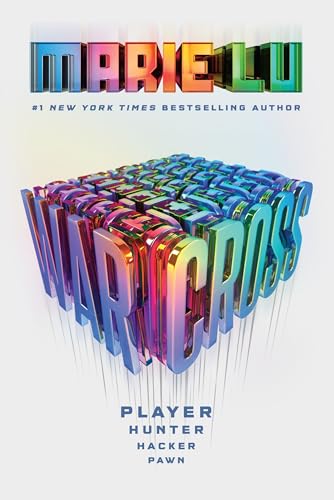


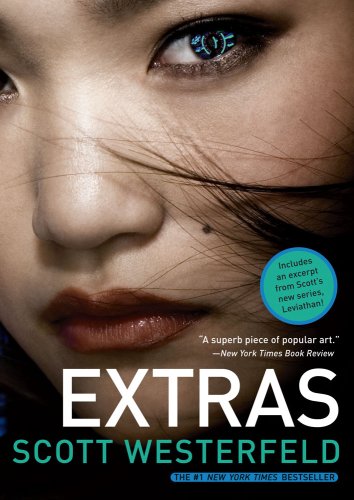
Top picks parents buy
Hand-picked books that fit this guide. Prices and availability are shown on Amazon.
6 min read · Updated October 9, 2026
The short answer
Clean YA sci-fi books are young adult novels that avoid explicit language, graphic violence, and sexual content while focusing on futuristic concepts and adventure. These stories prioritize imaginative world-building, such as space exploration or cybernetics, offering high-stakes excitement suitable for teenagers without the mature tropes common in contemporary adult science fiction titles.
Key takeaways
- Clean YA sci-fi emphasizes character growth and imaginative tech over explicit mature themes.
- The Lunar Chronicles series is a top recommendation for its blend of fairy tales and futuristic cyborgs.
- Always check for 'young readers adaptations' when looking at historical or science-heavy non-fiction.
- Age recommendations vary; 12-14 is the sweet spot for most clean teen science fiction titles.
- Parents should look for titles that balance high-stakes conflict with positive moral outcomes.
The Appeal of Clean Science Fiction for Modern Teens
Science fiction has always been a gateway for young minds to explore 'what if' scenarios. From the mechanical depths of space stations to the ethics of artificial intelligence, the genre challenges readers to think critically about the future. However, many modern YA novels have drifted toward dark, gritty themes that include graphic violence or explicit romantic subplots. For parents and educators, finding 'clean' alternatives—books that maintain high stakes and sophisticated plots without crossing into adult territory—is essential for supporting a teen's developing maturity.
A clean sci-fi book doesn't mean the story is childish or lacks excitement. In fact, some of the most compelling narratives in the genre, like The Lunar Chronicles: Scarlet by Marissa Meyer, thrive on intricate world-building and character-driven tension. These stories allow teens to immerse themselves in complex social structures and technological marvels while keeping the focus on heroism, friendship, and problem-solving. By choosing clean titles, you ensure that the sense of wonder remains the primary takeaway for the reader.
Space Operas and Galactic Adventures
When people think of sci-fi, they often imagine vast starships and intergalactic conflict. For teens who love the scale of Star Wars, Aurora Burning by Amie Kaufman and Jay Kristoff offers a high-octane experience. While this series leans toward the older end of the YA spectrum (ages 14-18) and carries a verdict of caution for some mild language and intense action, it remains a favorite for its diverse cast and cinematic pacing. It is a prime example of how modern sci-fi can be edgy and cool without relying on explicit sexual content to drive the plot.
For a slightly younger audience, the Bartimaeus Sequence: The Amulet of Samarkand by Jonathan Stroud, while often categorized as fantasy, utilizes many tropes that sci-fi fans enjoy, including a rigorous system of 'magical' rules that function much like technology. For those strictly seeking tech, look for stories that involve terraforming or lunar colonies. These books often feature 12-to-16-year-old protagonists who must use their wits to survive harsh environments, teaching resilience and scientific curiosity in every chapter.
Dystopian Futures and Cybernetic Reimagining
Dystopian fiction remains a cornerstone of the YA market, but it is often where the most 'grimdark' content resides. To stay on the clean side, look for authors who use the setting to explore identity rather than shock value. The Lunar Chronicles: Scarlet is a standout here, reimagining Little Red Riding Hood in a world of cyborgs and lunar royalty. Marissa Meyer successfully builds a world where the stakes are life and death, yet the romantic elements remain sweet and appropriate for middle-schoolers and early high-schoolers alike.
Cybernetics and biotechnology offer a unique way for teens to explore themes of what it means to be human. In clean sci-fi, these enhancements are often used as a metaphor for the changes teens feel in their own bodies during adolescence. By reading about characters like Cinder or Scarlet, teens can process feelings of being 'different' or 'broken' through a safe, futuristic lens. These books are excellent for sparking discussions about ethics and the role of technology in our daily lives without the distraction of inappropriate content.
Classic Literature and the Roots of Science Fiction
Many parents forget that classic literature often provides the cleanest and most profound science fiction experiences. While Little Women by Louisa May Alcott is a historical staple, the era in which it was written birthed the foundations of speculative fiction. Encouraging a teen to read Jules Verne or H.G. Wells can provide a sophisticated reading experience that is naturally free of modern explicit tropes. These classics focus on the awe of discovery, such as traveling to the center of the Earth or the moon.
If your teen prefers animals and nature mixed with their adventure, King of the Wind by Marguerite Henry is a fantastic 'safe' pick for all ages. While it is historical fiction, the focus on breeding and the 'science' of equine speed appeals to the same meticulous minds that enjoy hard sci-fi. Pairing these classics with modern clean hits helps a teen develop a well-rounded appreciation for how storytelling has evolved over the centuries while maintaining a high standard for content.
The Importance of Reading Levels
When selecting sci-fi for a 12-year-old versus an 18-year-old, the complexity of the science often changes more than the maturity of the themes. A 6th grader might enjoy the gadgetry of a middle-grade space adventure, while a senior in high school might prefer the political intrigue of a galactic empire. Always check the 'verdict' on a book to see if it aligns with your family values.
Evaluating Thrillers and Mystery Crossovers
The line between sci-fi and mystery often blurs, especially in stories involving high-tech surveillance or genetic puzzles. One Of Us Is Next by Karen M. McManus is a popular choice for teens who love a fast-paced 'whodunit.' However, parents should exercise caution, as these contemporary thrillers often mirror high school social dynamics that include references to partying or complex dating situations. It is a 'cleaner' choice than many adult thrillers, but it sits right on the edge of the YA 'caution' zone.
For a more historical mystery approach, Seabiscuit: An American Legend by Laura Hillenbrand offers a deep dive into the 'science' of racing and social history. It is a safe, clean read for ages 14-18 that captures the same underdog spirit found in many sci-fi protagonist arcs. When a teen grows tired of robots and aliens, these grounded mysteries provide a refreshing change of pace while maintaining the intellectual stimulation they crave from the sci-fi genre.
Building a Safe Library: What to Avoid
In your search for clean content, you will undoubtedly encounter titles that seem like a good fit but contain material that may not align with your goals. For instance, graphic novels like Maus I: A Survivor's Tale are historically significant but carry a 'not-recommended' verdict for those seeking a light or clean sci-fi escape due to their intense and tragic subject matter. Similarly, Joe Sacco’s Palestine is a powerful work of journalism but contains mature themes that require a high level of emotional maturity (ages 16+).
It is also wise to steer clear of underground or cult classics that may be shelved near YA but are intended for adults. Cerebus the Aardvark by Dave Sim, for example, begins as a parody but evolves into complex, mature territory that is not suitable for teens. By staying informed and checking resources like Parental Compass, you can curate a bookshelf that inspires your teen’s imagination without exposing them to content they aren't ready to process. Stick to the 'safe' and 'caution' list for the best results.
Reading gear parents love
Bigger helpers that make reading easier and more fun. Prices change — check today's price on Amazon.
Kindle Paperwhite
$150-$200 · Teens ages 13–18 who read long novels
The larger, glare-free screen and adjustable warm light suit extended sci-fi reading sessions. A dedicated e-reader keeps games and social media out of the reading experience.
See it on AmazonKobo Clara BW
$130-$160 · Teens ages 13–18 who want a compact reader for library ebooks
Its glare-free screen makes it comfortable to read at home or on the go. Built-in OverDrive can help teens borrow ebooks through participating libraries where supported.
See it on AmazonApple iPad (A16)
$300-$400 · Teens ages 13–18 who mix reading with schoolwork and science exploration
The color screen works well for illustrated science books, ebooks, and research inspired by sci-fi adventures. Parents can use Screen Time to set app and content restrictions.
See it on AmazonBenQ e-Reading LED Desk Lamp
$200-$250 · Teens who read print books at a bedroom desk
Adjustable brightness and color temperature help teens set up comfortable lighting for reading and homework. It is a useful upgrade for a dedicated reading space without adding another screen.
See it on Amazon
Ready to buy?
Grab these picks on Amazon — we may earn a small commission at no extra cost to you.
Get our monthly book picks
One email a month with the best clean books for your kids' ages. No spam — unsubscribe anytime.
Frequently asked
What is considered a clean YA book?+
Clean YA sci-fi typically avoids f-bombs and sexual explicitness, though it may contain mild futuristic slang or fantasy violence appropriate for ages 12 and up.
Is The Lunar Chronicles safe for younger teens?+
Yes, Scarlet by Marissa Meyer is widely considered clean, focusing on action and a sweet, slow-burn romance without explicit scenes.
What age group is clean YA sci-fi meant for?+
These books usually target the 12 to 18 age range, with content levels varying slightly between middle grade and high school maturity.
How can I check if a sci-fi book has explicit content?+
Look for titles tagged as 'Clean' or 'Sweet' on review sites, or stick to authors known for writing for the school market.
Are there sci-fi books for teens who dislike heavy science?+
Books like The Boys in the Boat (Young Readers Adaptation) or Scarlet are excellent starting points for readers new to the genre.
Is Aurora Burning appropriate for a 14-year-old?+
While it features intense action, Aurora Burning is generally suitable for older teens who can handle mild profanity and non-graphic romantic tension.
Keep exploring
Get new picks like these in your inbox
One short email a week — new reading lists, parent-vetted picks, and free guides.