Young Detectives & Whodunits
Top Mystery Books for Kids: Best Whodunits for Ages 8-12
There is nothing quite like the 'just one more chapter' pull of a great mystery. For readers ages 8 to 12, mystery novels do more than just entertain—they sharpen logic, improve reading stamina, and turn kids into active participants in the story. Whether your child is looking for a high-tech scavenger hunt, a spooky old mansion full of secrets, or a classic detective duo, this curated list features the best 'safe' whodunits that balance suspense with age-appropriate themes. From the puzzle-filled halls of a magical library to the international intrigue of a global search, these picks are guaranteed to keep your middle-grade reader guessing until the very last page.
8 parent-vetted picks
As an Amazon Associate I earn from qualifying purchases. Learn more


Top picks parents buy
Hand-picked books that fit this guide. Prices and availability are shown on Amazon.
5 min read · Updated October 9, 2026
The short answer
The best mystery books for kids ages 8 to 12 are engaging stories that challenge their deductive reasoning while maintaining age-appropriate content. These include classic detective trios, puzzle-filled scavenger hunts, and atmospheric whodunits. These books encourage critical thinking and reading stamina by involving the reader in solving the case alongside the protagonist.
Key takeaways
- Mystery books build critical thinking skills by requiring kids to analyze clues and motives.
- Series like The Three Investigators offer a perfect entry point for readers transitioning to longer chapter books.
- Interactive mysteries, such as those by Lemony Snicket, engage readers by breaking the fourth wall and posing questions.
- Mystery is a versatile genre that overlaps with historical fiction, fantasy, and even memoirs for older kids.
- Middle grade mysteries provide a safe way for children to explore suspense and tension without adult themes.
The Appeal of the Middle Grade Whodunit
Mystery novels occupy a special place in a child's library because they transform the act of reading into a game. For children between the ages of 8 and 12, the world is beginning to feel larger and more complex. Mysteries reflect this by presenting a world where things aren't always what they seem, but where logic and observation can eventually reveal the truth. This sense of agency is incredibly empowering for middle-grade readers who are developing their own independent thinking skills.
When a child picks up a book like Who Could That Be at This Hour? by Lemony Snicket, they aren't just reading a story; they are entering a partnership with the narrator. Snicket’s All the Wrong Questions series is particularly famous for its noir-inspired atmosphere and its way of challenging the reader to think about the meaning of words and the weight of decisions. For a 9-year-old, this intellectual engagement is a significant step up from early chapter books, fostering a deeper love for literature.
Classic Detectives and Timeless Puzzles
Long before modern escape rooms became a trend, classic mystery novels were giving kids the thrill of the hunt. The Three Investigators in the Secret of Terror Castle is a prime example of a series that has stood the test of time. Originally introduced by Alfred Hitchcock, these stories follow Jupiter Jones and his friends as they solve cases involving supposedly haunted houses and strange artifacts. The focus on deduction and the use of a secret headquarters makes it an aspirational read for kids who dream of having their own detective agency.
Classic literature often crosses over into the mystery genre, even if we don't always label it as such. Treasure Island by Robert Louis Stevenson is fundamentally a mystery centered on a missing map and hidden gold. While it is often shelved under adventure, the tension of not knowing who to trust among the crew of the Hispaniola provides the same psychological hook as a modern thriller. It is a fantastic pick for a 10-year-old who is ready for slightly more complex prose and historical settings.
Blending Mystery with Fantasy and Adventure
For many readers in the 8-12 age range, a straight detective story might feel too grounded. That is where genre-blending books come in. Island of Silence, the second book in The Unwanteds series by Lisa McMann, introduces mysterious disappearances and hidden motives within a magical society. By combining the high stakes of a fantasy world with the 'who-can-we-trust' tension of a mystery, McMann keeps readers on the edge of their seats. This approach is particularly effective for kids who already enjoy series like Harry Potter or Percy Jackson.
Similarly, The Dark Is Rising by Susan Cooper offers a more atmospheric, eerie mystery rooted in folklore. While it leans into the supernatural, the protagonist Will Stanton must solve ancient riddles and find hidden objects to prevent a dark force from rising. This type of 'quest mystery' helps children build stamina for longer novels, as the payoff for each solved clue leads directly into the next stage of the journey. It is a more challenging read, often best suited for the 11 to 12-year-old range.
Solving Problems with Science and Logic
Mystery books aren't always about crime; sometimes they are about solving the mysteries of the natural world. Zoey and Sassafras: Dragons and Marshmallows is a perfect introductory mystery for the younger end of this spectrum, typically ages 7 to 9. Zoey uses the scientific method to figure out why magical animals are sick. By framing scientific inquiry as a mystery to be solved, these books teach kids that observation and experimentation are the best tools for finding answers.
As readers get older, they might gravitate toward mysteries that involve real-world stakes and historical settings. The Boys in the Boat (Young Readers Adaptation) by Daniel James Brown, while a work of non-fiction, follows a narrative arc that feels like a mystery. How did a group of working-class boys beat the elite teams at the 1936 Olympics? The 'how' and 'why' drive the reader forward just as much as a stolen diamond would in a fictional story. This transition into narrative non-fiction is a great way to expand a child's reading horizons.
Graphic Novels and Visual Mysteries
Not all mysteries require dense pages of text. Graphic novels have become one of the most popular ways for 8 to 12-year-olds to consume mysteries. Ms. Marvel, Vol. 1: No Normal introduces Kamala Khan, who must figure out the mystery of her new powers while navigating the everyday secrets of high school life. The visual cues in graphic novels allow readers to spot clues in the background of the art, making them active participants in the decoding process.
For kids who might find a 300-page novel daunting, books like Oxford Reading Tree TreeTops Chucklers: Absolutely Awful Adults provide a lighter, more humorous take on the genre. These stories use mystery and irony to engage reluctant readers. The combination of humor and a 'whodunit' structure keeps the pages turning without the intimidation factor of a heavy tome. These are excellent for building confidence in 3rd and 4th graders who are still finding their footing with independent reading.
Historical Mysteries and Global Intrigue village
History is full of mysteries, and many authors use this to create compelling middle-grade fiction. Grenade by Alan Gratz, while primarily a war novel, carries the tension of a survival mystery. Set during the Battle of Okinawa, the characters must navigate a landscape where they don't know who the enemy is or how to find safety. For older readers in the 10-14 range, this type of high-stakes mystery provides a window into historical events while maintaining a fast-paced, page-turning plot.
Even memoirs can have a sense of mystery about them. A Girl from Yamhill by Beverly Cleary explores the secrets and stories of her own childhood. While not a whodunit, it captures the mystery of growing up—of trying to understand the adults around you and the world you live in. For a 12-year-old, this more reflective style of mystery can be deeply satisfying, showing them that the greatest mysteries are often found in our own lives and family histories.
Reading gear parents love
Bigger helpers that make reading easier and more fun. Prices change — check today's price on Amazon.
Kindle Kids
$110-$150 · Ages 8-12 who enjoy independent chapter-book reading
A dedicated e-reader keeps games and videos out of the way during a gripping whodunit. Adjustable text size and a built-in dictionary help readers tackle unfamiliar words.
See it on AmazonAmazon Fire HD 10 Kids Pro
$140-$200 · Ages 8-12 who mix ebooks, audiobooks, and illustrated mysteries
The large color screen suits illustrated clues and graphic novels. Parent controls help keep a multipurpose tablet focused on age-appropriate reading and learning.
See it on AmazonPuro Sound Labs BT2200-Plus
$90-$120 · Ages 8-12 listening to mysteries or following along with a book
These volume-limiting kids’ headphones pair with a compatible audiobook device for listening at home or on trips. Following along in print can help readers keep track of characters and clues.
See it on Amazon
Ready to buy?
Grab these picks on Amazon — we may earn a small commission at no extra cost to you.
Get our monthly book picks
One email a month with the best clean books for your kids' ages. No spam — unsubscribe anytime.
Frequently asked
What makes a good mystery book for middle-grade readers?+
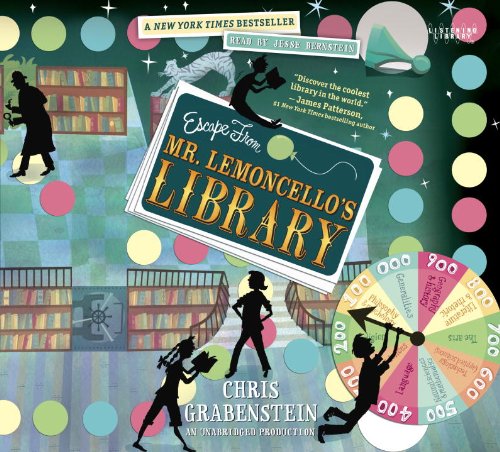
For kids in the 8-12 age range, look for mysteries that emphasize puzzles, friendships, and logic rather than dark themes or gore. 'Escape from Mr. Lemoncello’s Library' is a perfect example of a puzzle-based mystery that keeps things fun and light.
Are there any classic mystery series recommended for this age group?+
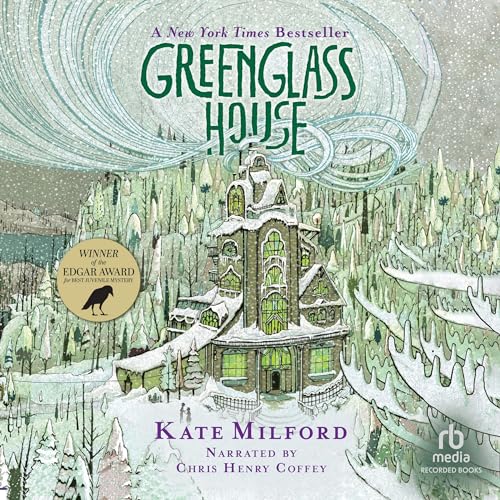
The Hardy Boys and The Three Investigators are classic picks that still hold up. If you want something modern but with a classic feel, 'Greenglass House' offers a wonderful 'locked-in' mystery atmosphere.
Can mystery books help reluctant readers?+
Absolutely. 'The 39 Clues' and 'Escape from Mr. Lemoncello’s Library' are fast-paced, high-stakes, and filled with short chapters and visual puzzles that keep reluctant readers turning pages.
Are these books too scary for sensitive children?+
Most middle-grade mysteries (ages 8-12) focus on 'safe' suspense—think missing family heirlooms, strange neighbors, or historical secrets—rather than violent crime. We have screened this list to ensure the content is age-appropriate and 'safe' for the 8-12 window.
Keep exploring
Friendship · Ages 4–12
20 Best Children's Books About Friendship (Parent Picks 2026)
If They Loved · Narnia
15 Best Books Like Narnia for Kids (Parent-Approved 2026)
Classics · All Ages
30 Classic Children's Books Every Child Should Read (2026)
Visual Storytelling for Young Readers
15 Best Graphic Novels for Kids: Engaging Books for Ages 6-10
Mental health
Books About Anxiety
Character
Books About Kindness
Get new picks like these in your inbox
One short email a week — new reading lists, parent-vetted picks, and free guides.